
50 Years of Innovations
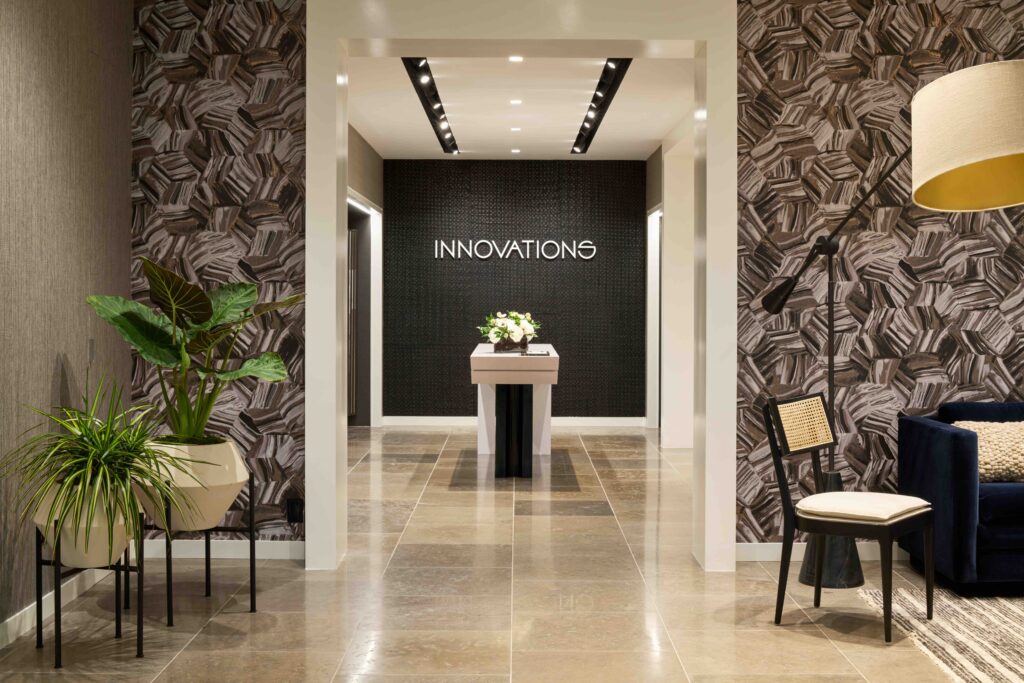
Author:Lindsey ShookThis year, Innovations celebrates 50 years of hand-crafting wallcoverings that have defied standard prints through the exploration of materials, techniques and textures. For decades they have pushed boundaries by creating distinct and highly-dimensional work for private homes, luxury hotels and commercial spaces using wood, linen, grasscloth and more. During the Pacific Design Center’s recent 50-year anniversary events, we had the opportunity to highlight Innovations’ vast body of work and have an in-depth conversation with the company’s president, Alex Mayer, whose family started the business a half-century ago.
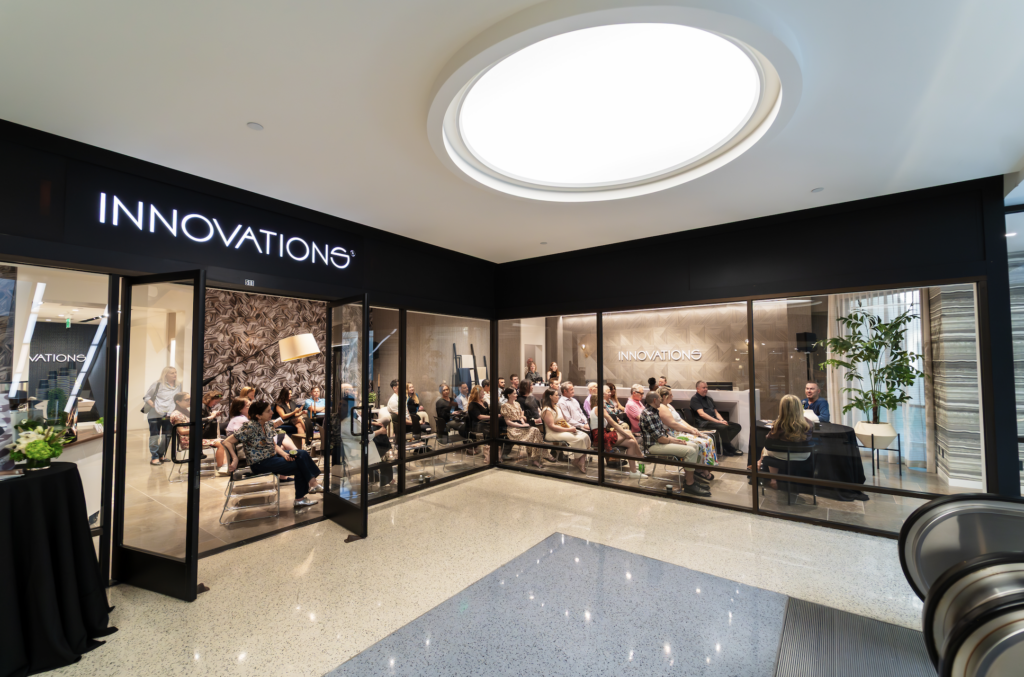
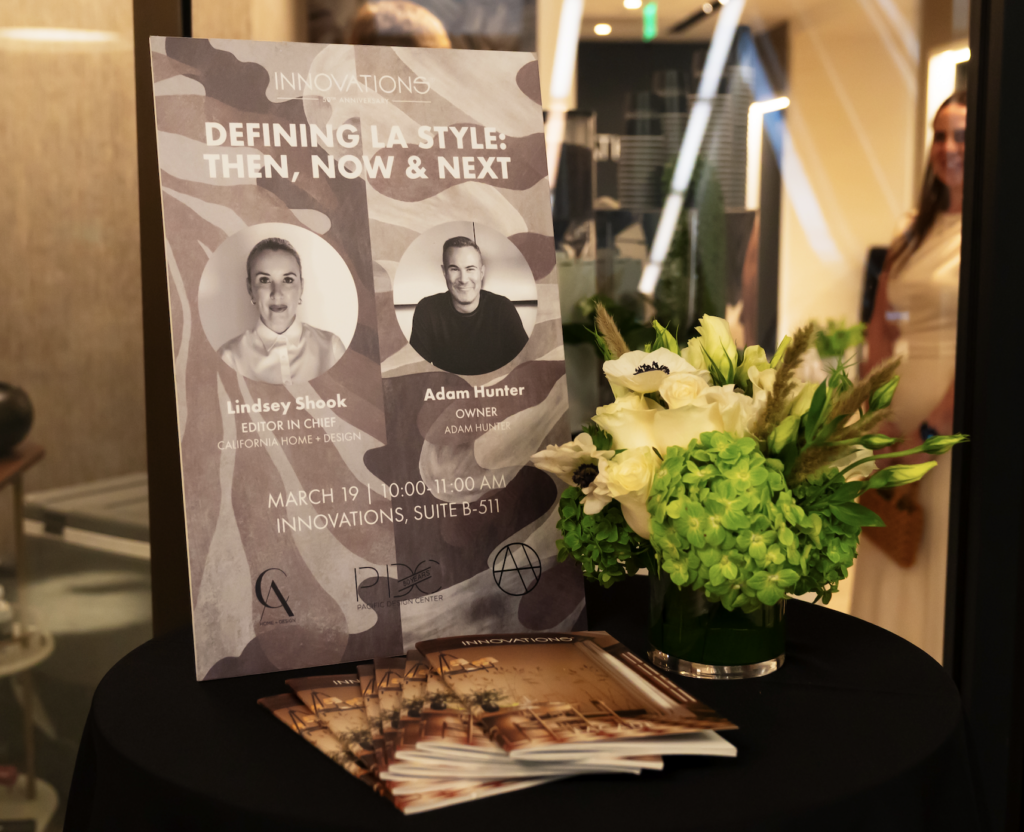
Photo by Jeffrey Johnson Pictures.
–The design direction, applications and process are so visionary. What guided that pioneering decision 50 years ago? Fifty years ago, the guiding idea wasn’t to be “visionary,” but to create something the industry didn’t yet offer, something materially different from what was widely available. My father felt that interiors were missing texture, depth, and materiality at a time when wallcovering was largely flat and decorative. The early focus on natural materials and dimensional surfaces came from a belief that walls should carry the same level of consideration as the furnishings within a space. That mindset of treating wallcovering as an architectural element rather than just a backdrop, has stayed with us and continues to guide how we design today.
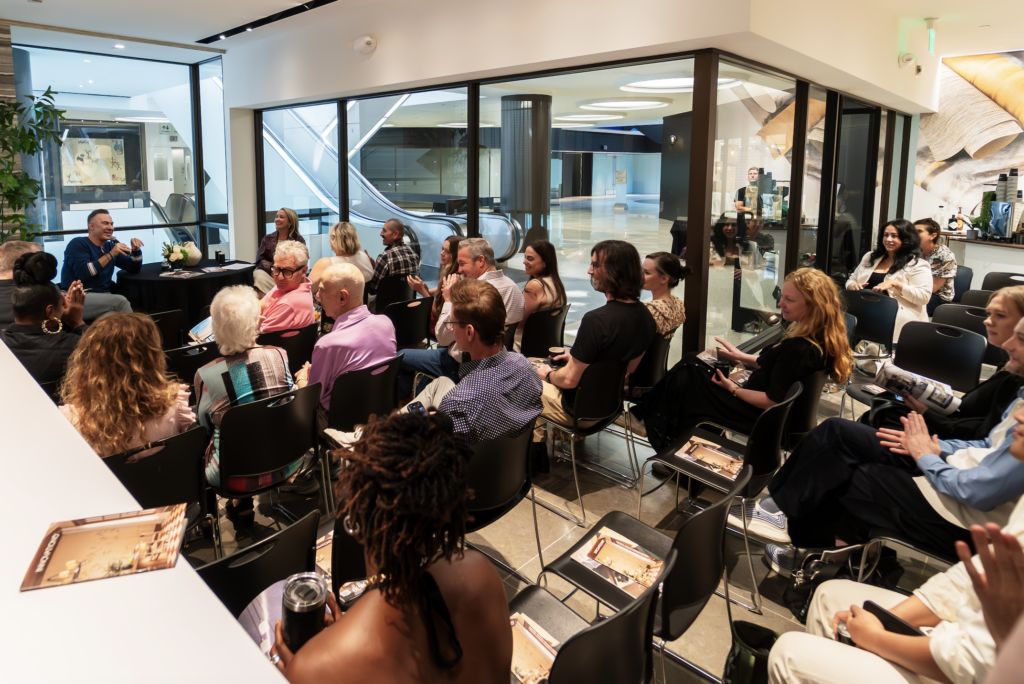
Photo by Jeffrey Johnson Pictures.
–What has been the biggest business challenge over the past 50 years? The biggest challenge has been staying relevant through constant cycles of change, such as shifts in design, manufacturing and the broader economy, all without losing the core identity of the brand. There’s always pressure to chase what’s new or what’s selling in the moment. The harder path is evolving in a way that feels current while still being authentic to who you are. Over time, we’ve had to continuously refine how we present our product, how we go to market, and how we support our clients, all while maintaining a consistency people can rely on.
–What has been the greatest learning? Long term success comes from balance. You need creativity and design leadership, but you also need operational discipline. Great product alone isn’t enough. It has to be usable, it has to be supported, and it has to perform in real environments. Over time, we’ve learned that the brands that last are the ones that can bridge inspiration and practicality without compromising either, and not be afraid to evolve.
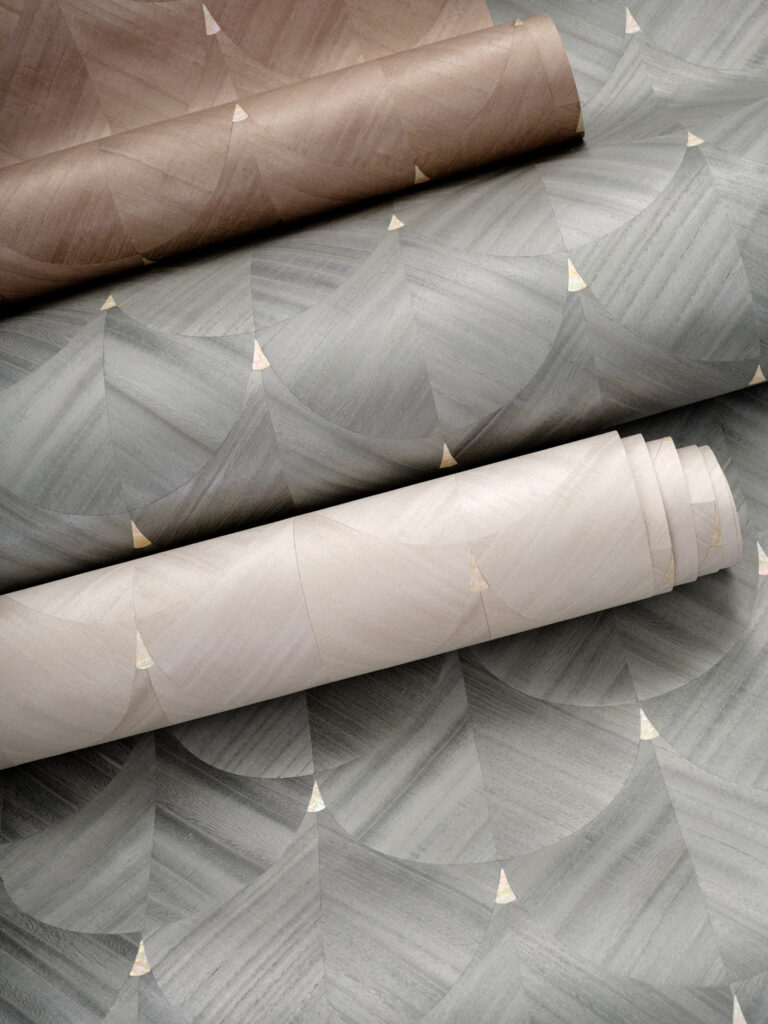
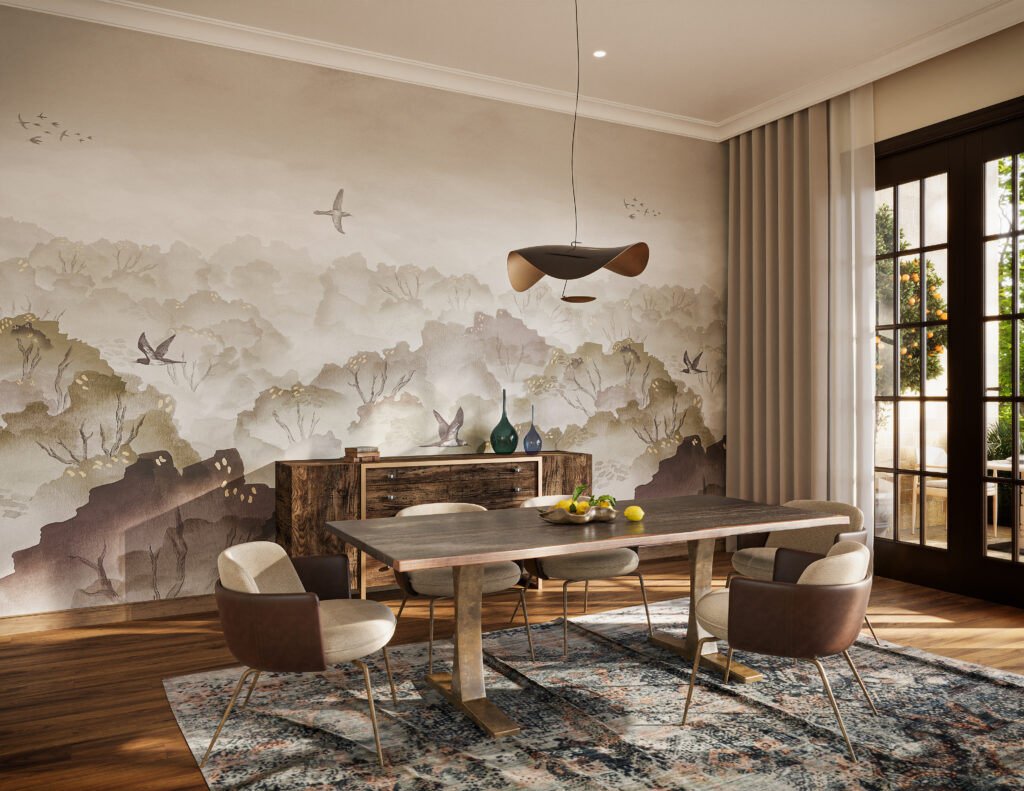
–Sustainability and craftsmanship are at the core of the business. How have these two values contributed to the long-term success? Craftsmanship and sustainability are more closely tied than most realize. Many of the materials we’ve worked with for decades, including cork, sisal, abaca, linen, and wood veneer, are inherently renewable and require a level of handwork that cannot be replicated through mass production. That brings a natural variation and authenticity that designers continue to value. At the same time, being thoughtful about how products are made, sourced, and used has helped us stay aligned with where the industry is going. It is less about making statements and more about consistently doing things the right way over time.
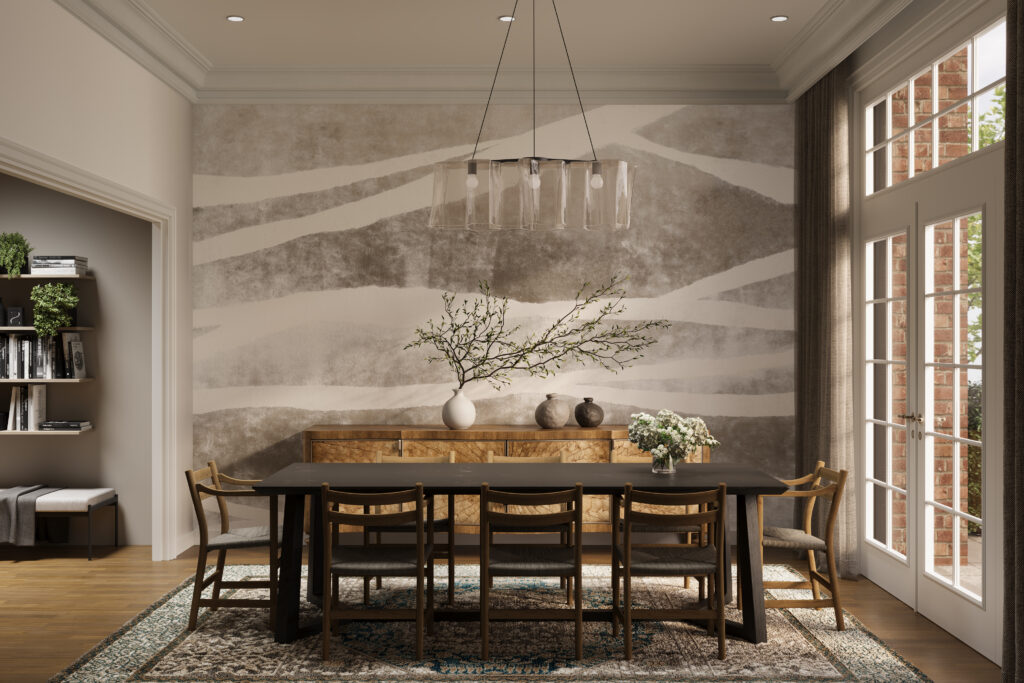
–How has the California design community inspired the business and or designs? While our design studio is located in New York City, we draw inspiration from a range of environments. California has always had a strong influence on how we think about material and space. There is an emphasis on light, texture, and a more relaxed form of luxury that aligns closely with our approach. Designers there tend to be very material driven. They care about how things feel, how they age, and how they interact with natural light. That has pushed us to continue developing products that are tactile, dimensional and versatile across both residential and hospitality settings. It is a market that values authenticity, which has made it a meaningful source of inspiration for us over time.