What’s New Can Feel Old
Author:Lindsey ShookJaimie Belew infuses a new home with historic, multi-generational charm
Photos by John Merkl.
There is a particular kind of magic in a home that feels like it has always been there—even when it hasn’t. That was the challenge and the win for Bay Area designer Jaimie Belew when hired to design this 3,500-square-foot custom residence in Los Altos Hills. “My philosophy is that a home should tell the story of the people who live there—not the story of the designer and my role is to uncover my clients’ vision, interpret their lifestyle, and bring their narrative to life through thoughtfully curated interiors that feel timeless, layered, and deeply personal,” Belew says. “This Los Altos Hills residence was a beautiful example of that process, The guiding principle became creating a newly built home that felt as though it had evolved naturally over generations.”
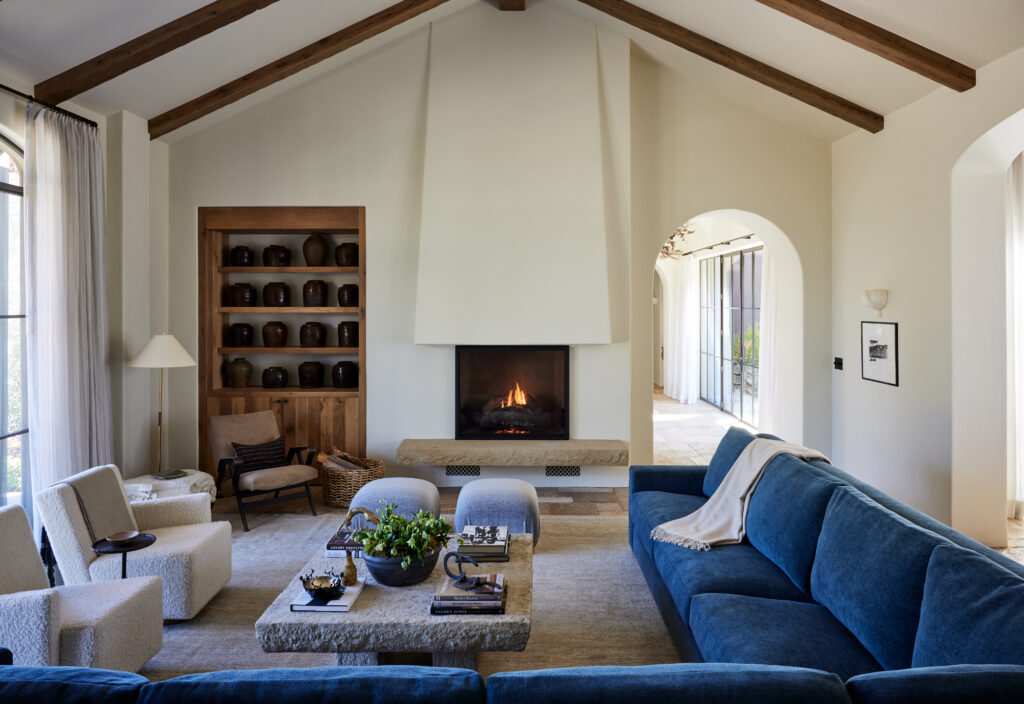
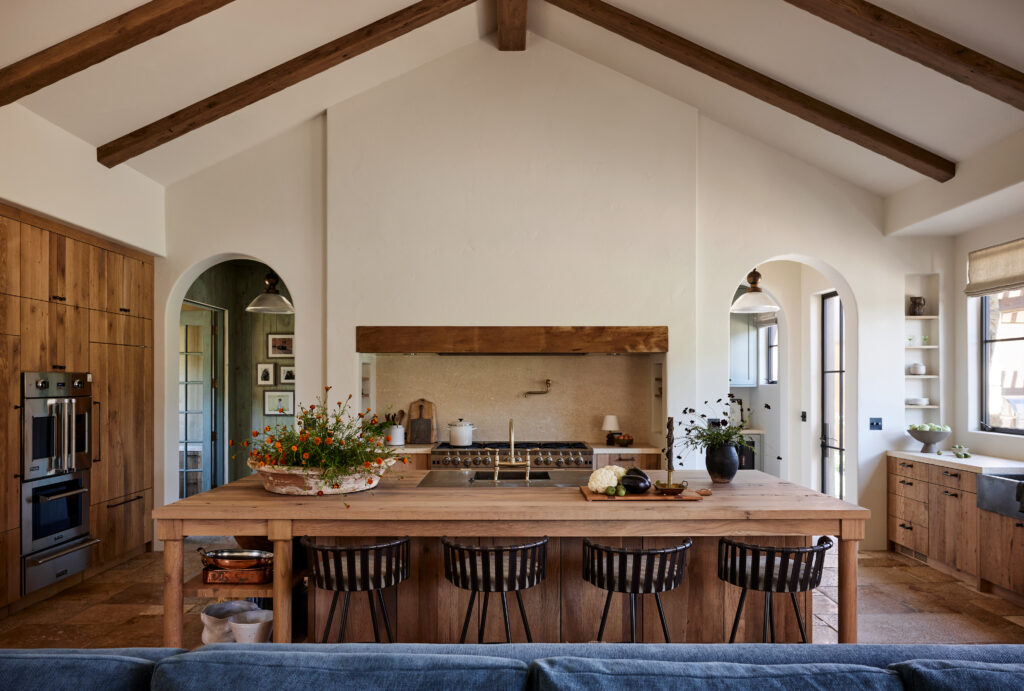
The client arrived with one direction—farmhouse. She had been gathering images, building mood boards, and a vision. But as Jaimie dug deeper into those references, she discovered that the goal wasn’t really to build a shabby chic farmhouse, rather it was something richer with more charm. “What she was truly drawn to was the warmth and authenticity of an old European country home, thoughtfully reimagined through a modern lens,” Belew notes. “She envisioned a home that balanced old-world character with contemporary living—layered with understated sophistication, collected history, and quiet luxury—while remaining welcoming for family, her beloved pets and her passion for the equestrian lifestyle.”
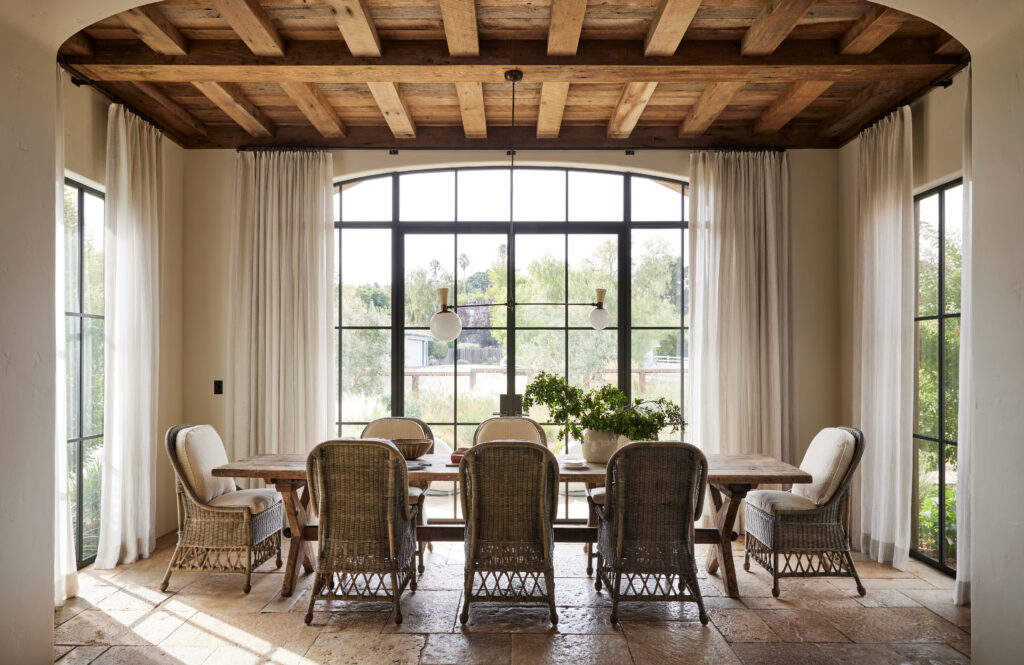
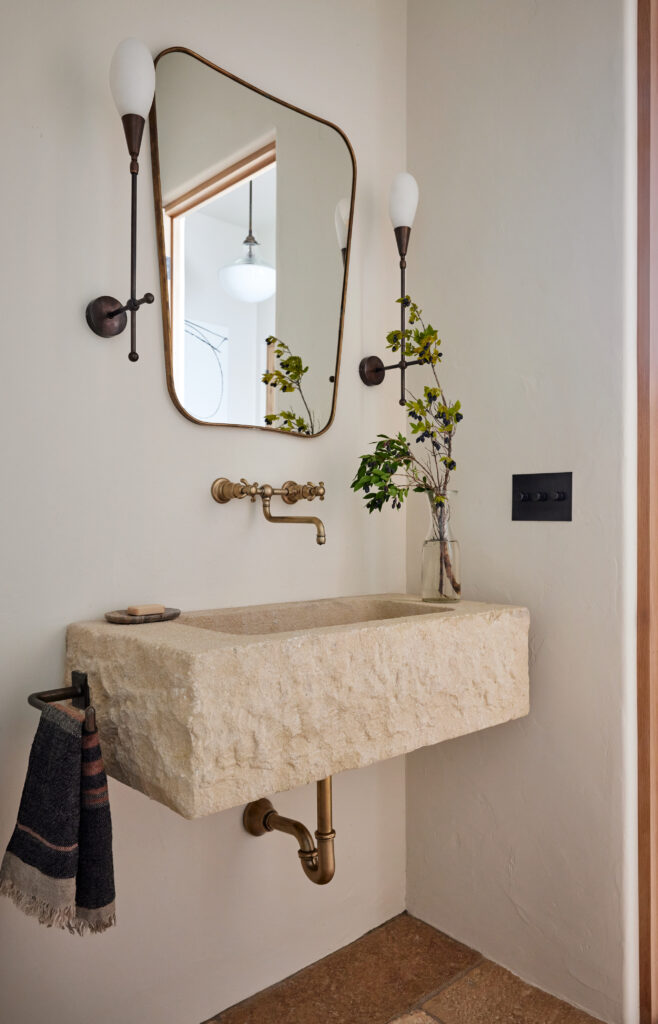
Photos by John Merkl.
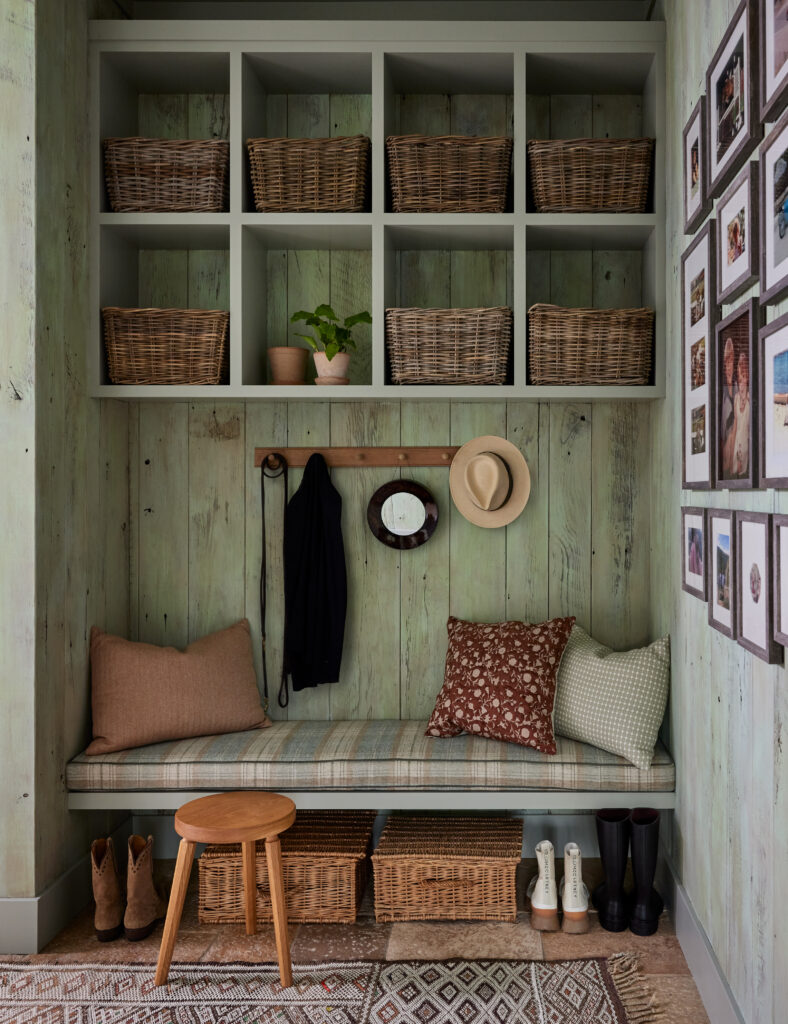
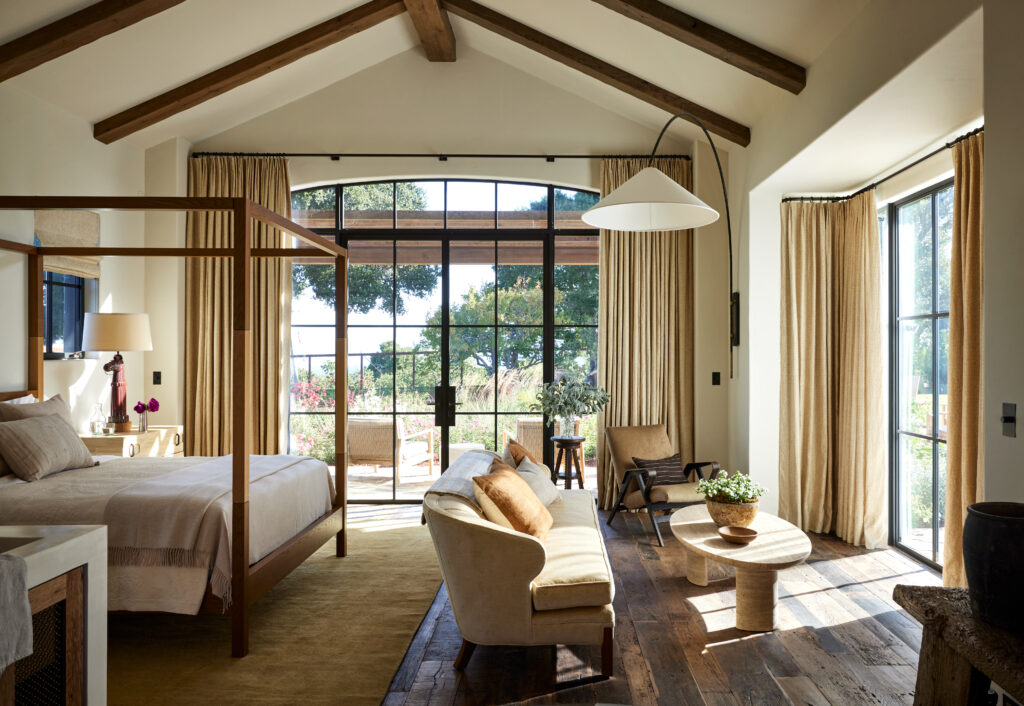
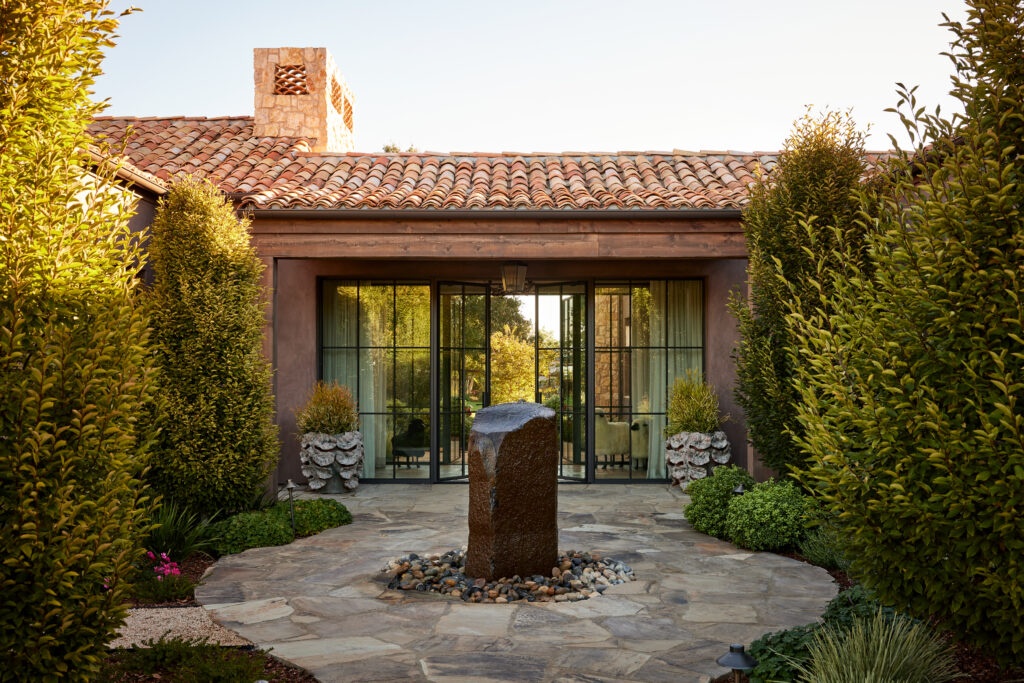
Being it was a ground-up build led by Architecture Allure, the hardest problem wasn’t structural, it was making new 3,500-square-foot home feel inherited. The team collaborated to devise a narrative between the exterior and interior architectural detailing that her team shaped. “Our design house carefully developed the proportions and placement of the arched openings throughout the home, studying scale, rhythm and sight lines to ensure each arch felt naturally integrated into the architecture,” she details. “Material selection was equally important. The custom oak cabinetry throughout the home was wire-brushed to create texture and character while maintaining a natural, rustic appearance. This same oak detailing continues into the dining room ceiling and beams, creating warmth without overwhelming the interiors.”
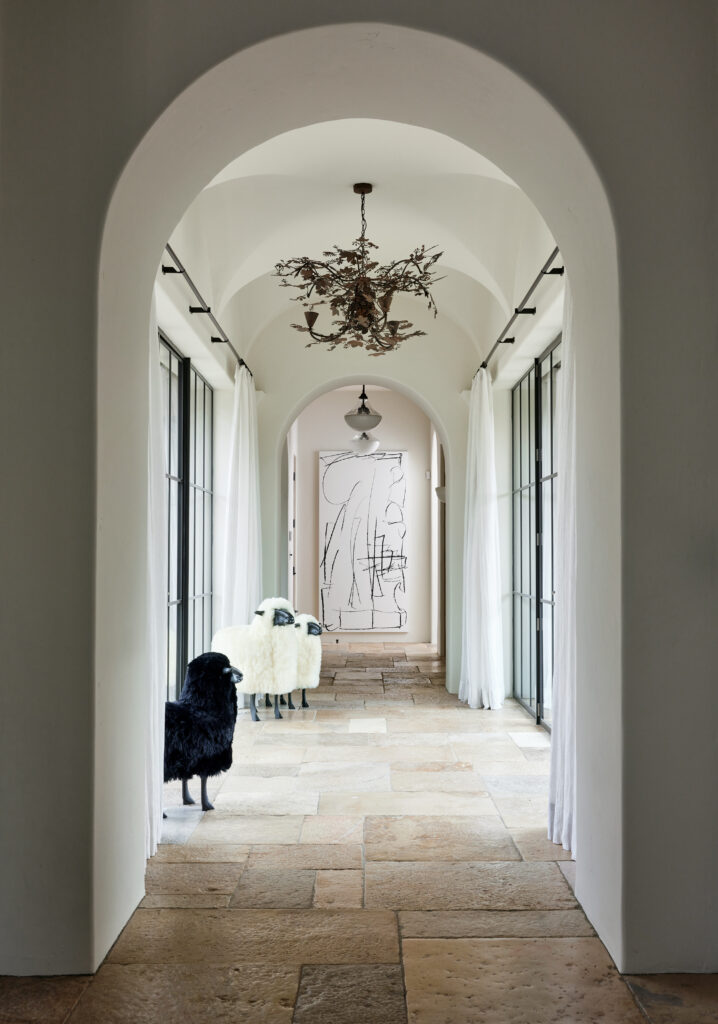
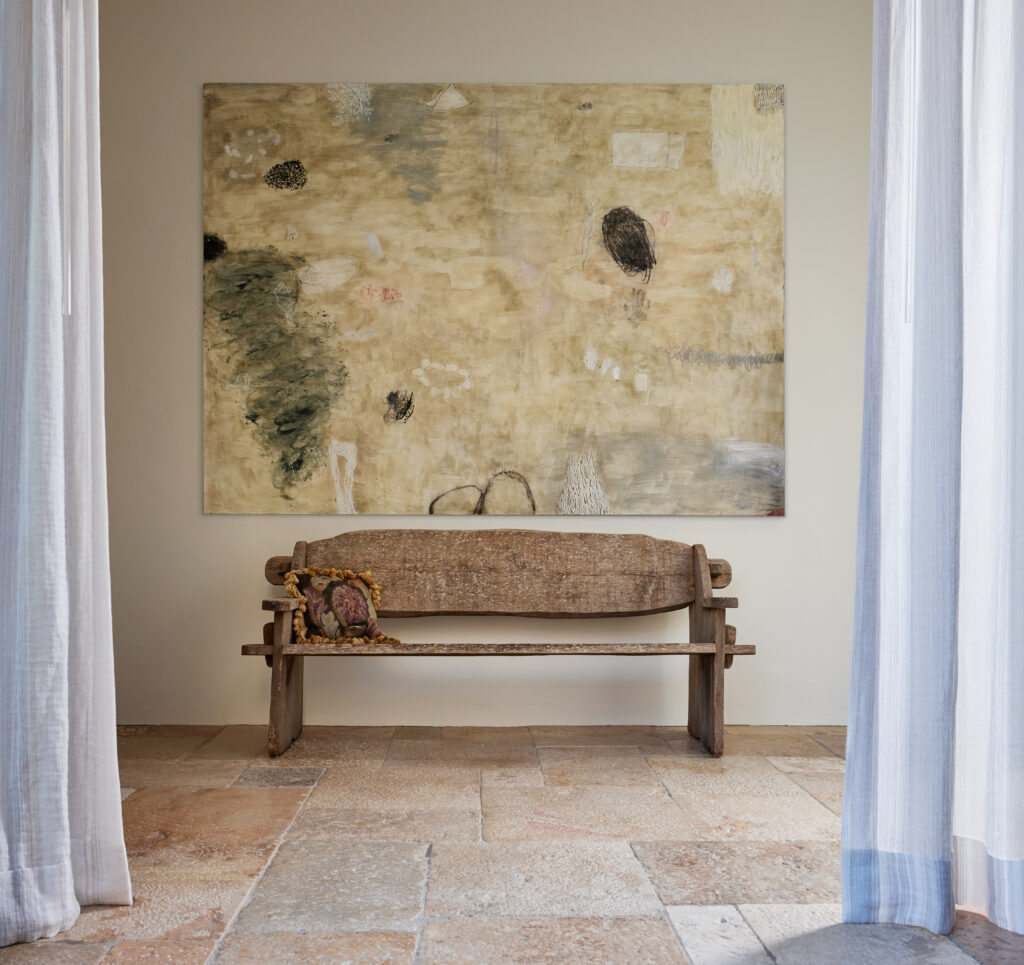
Against all that grain and texture, the team spent significant time achieving a precise cream tone of the plaster walls, so they could recede into a quiet, sun-warmed backdrop for everything else in the room to shine against.
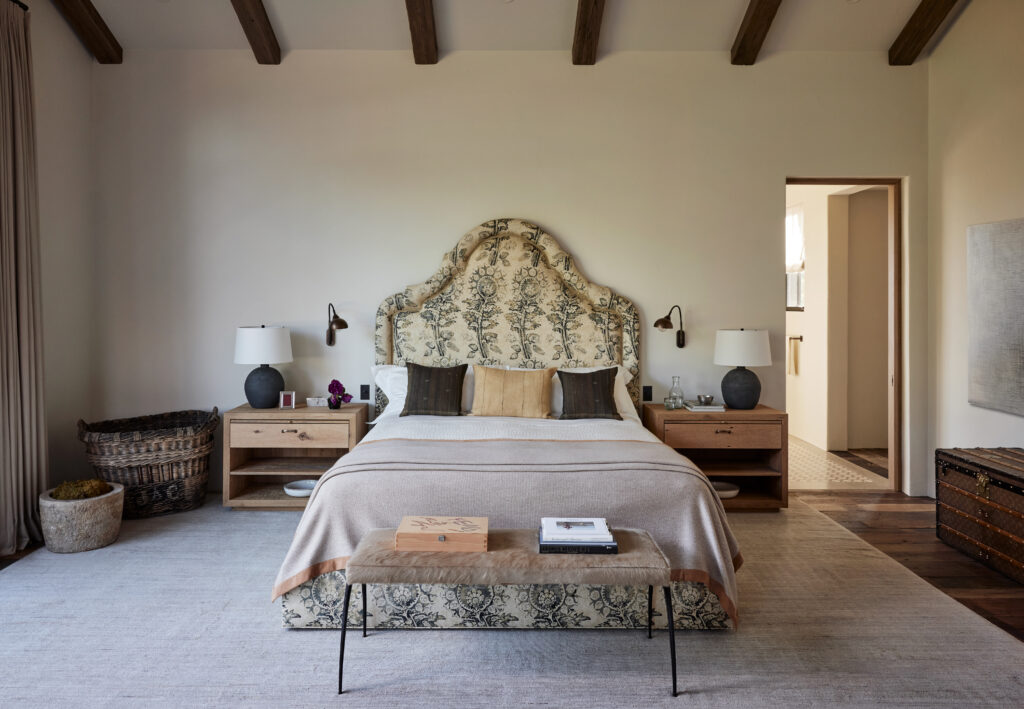
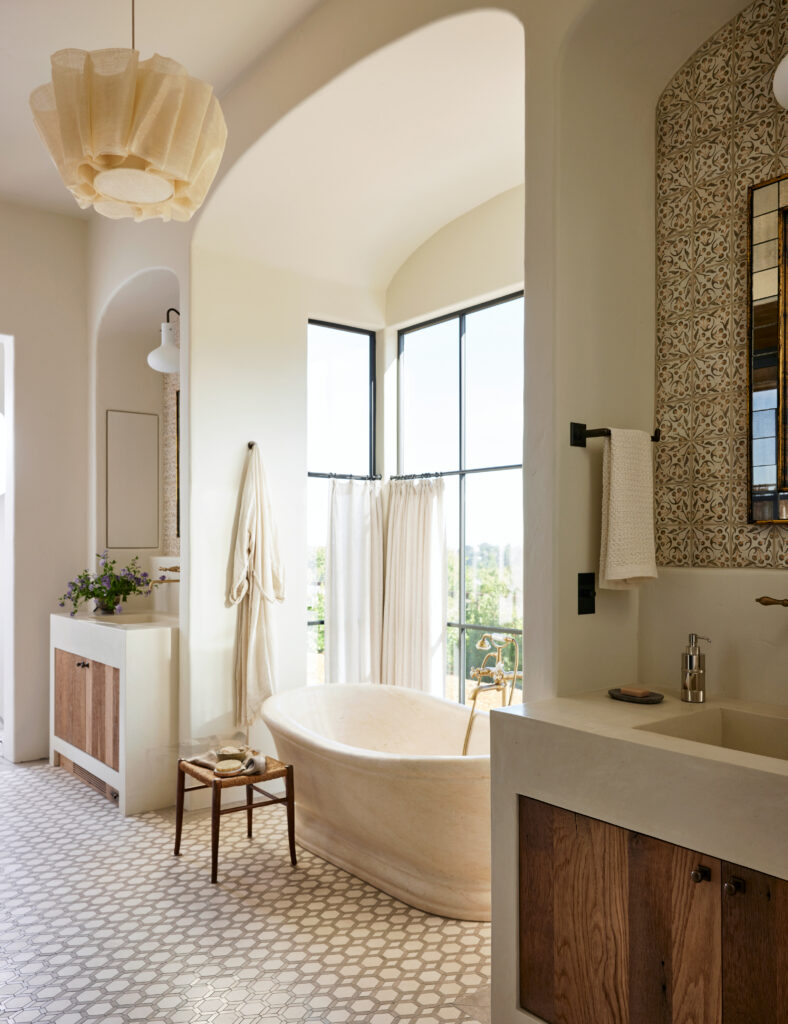
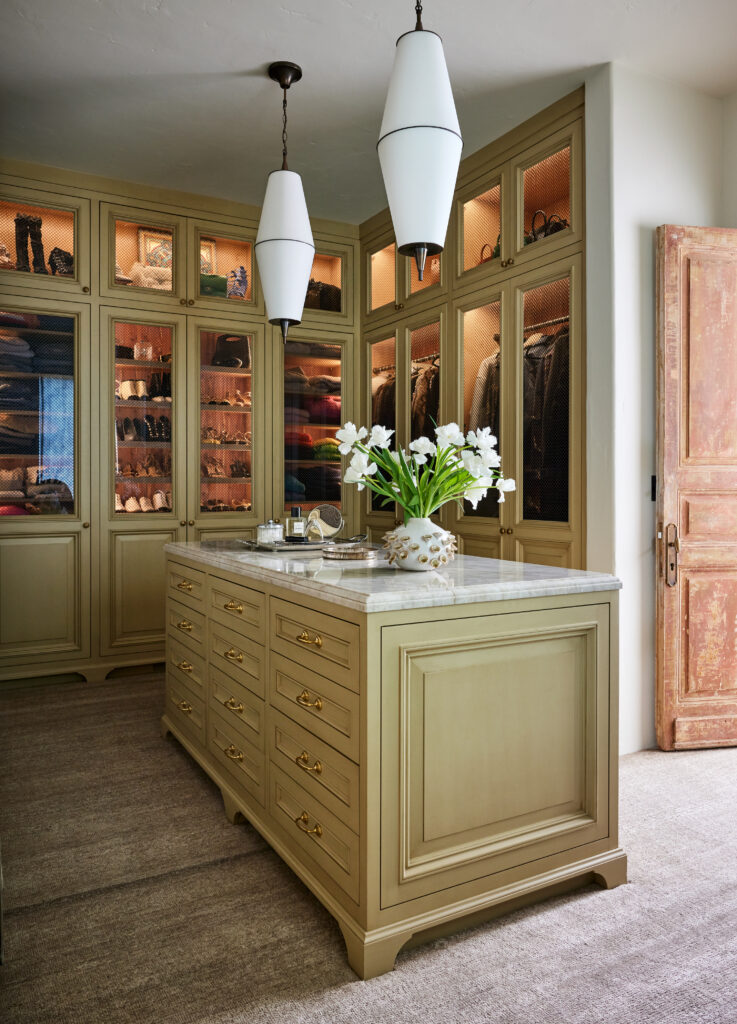
The reclaimed hardwood floors, hand-finished limestone, wire-brushed oak, soft plaster and the handcrafted Moroccan zellige tile placed throughout, is what grounds each room in antiquity. “Every decision was made to create the feeling that this home had been lovingly collected, expanded, and refined over generations rather than recently constructed,” she says. “The home’s materials were chosen not only for their beauty, but for how they would age and evolve with the family.”
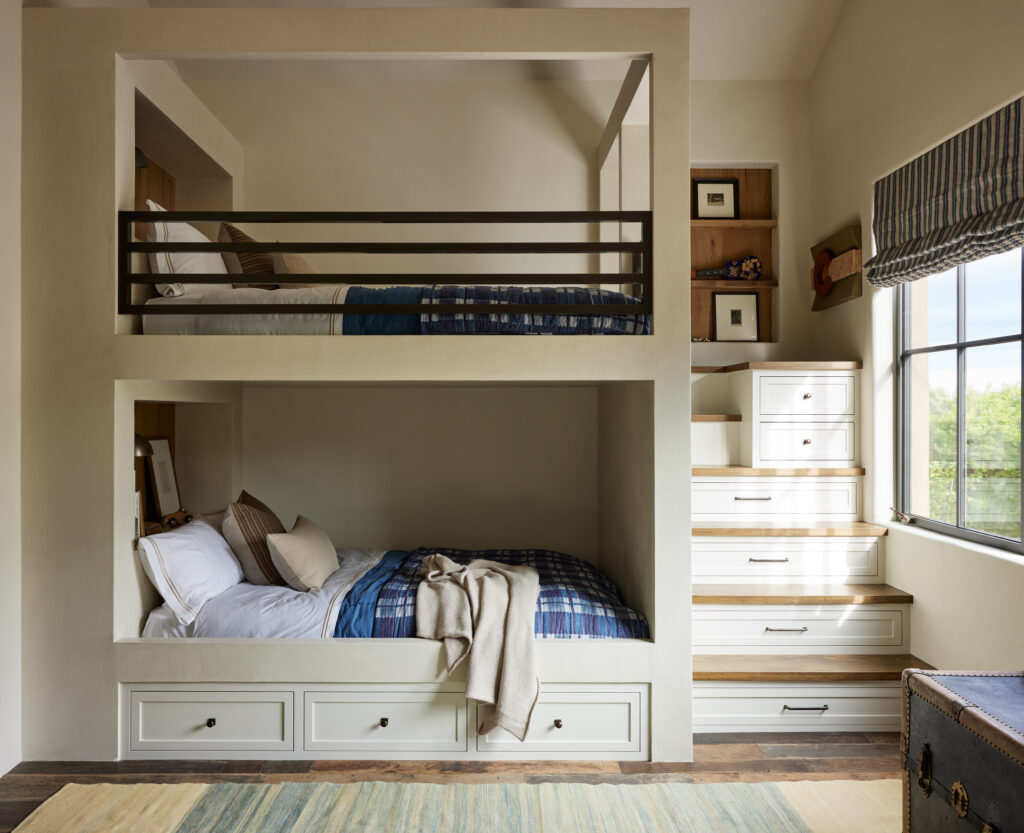
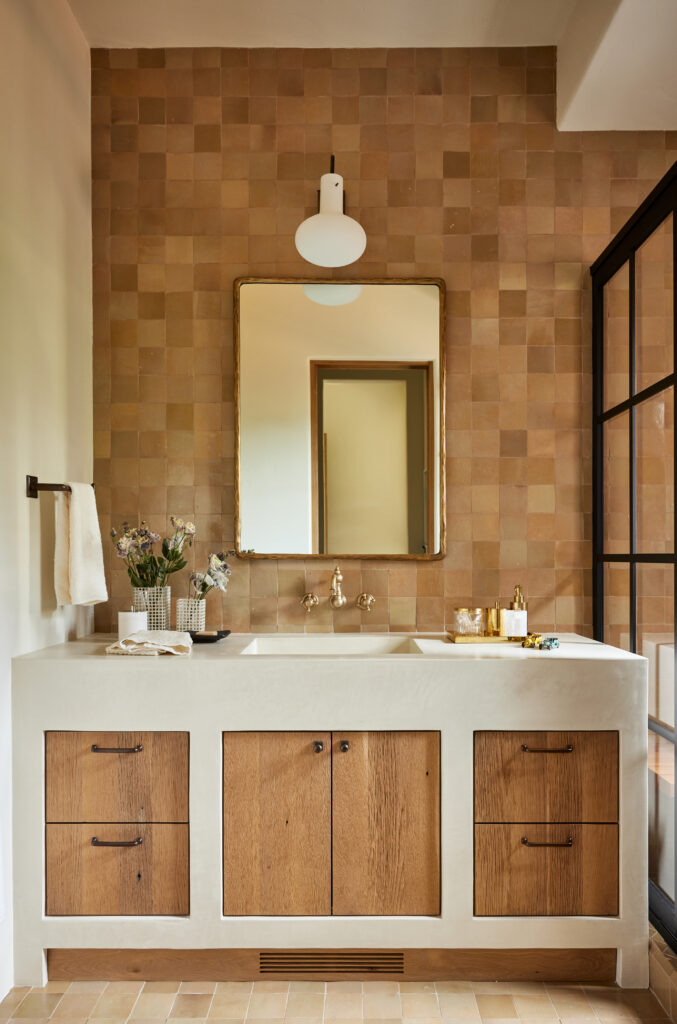
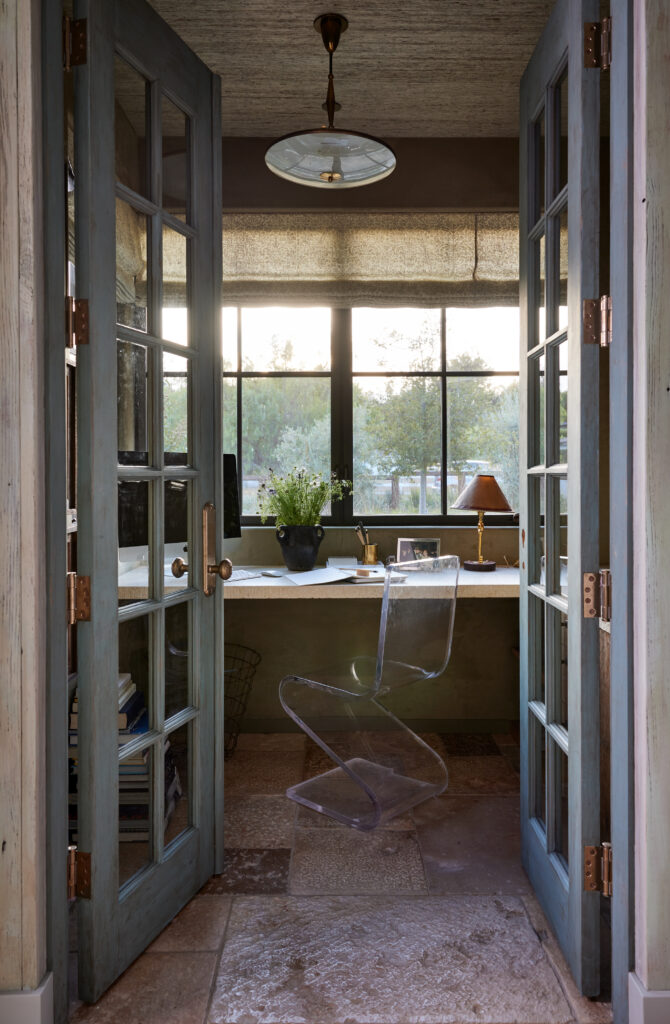
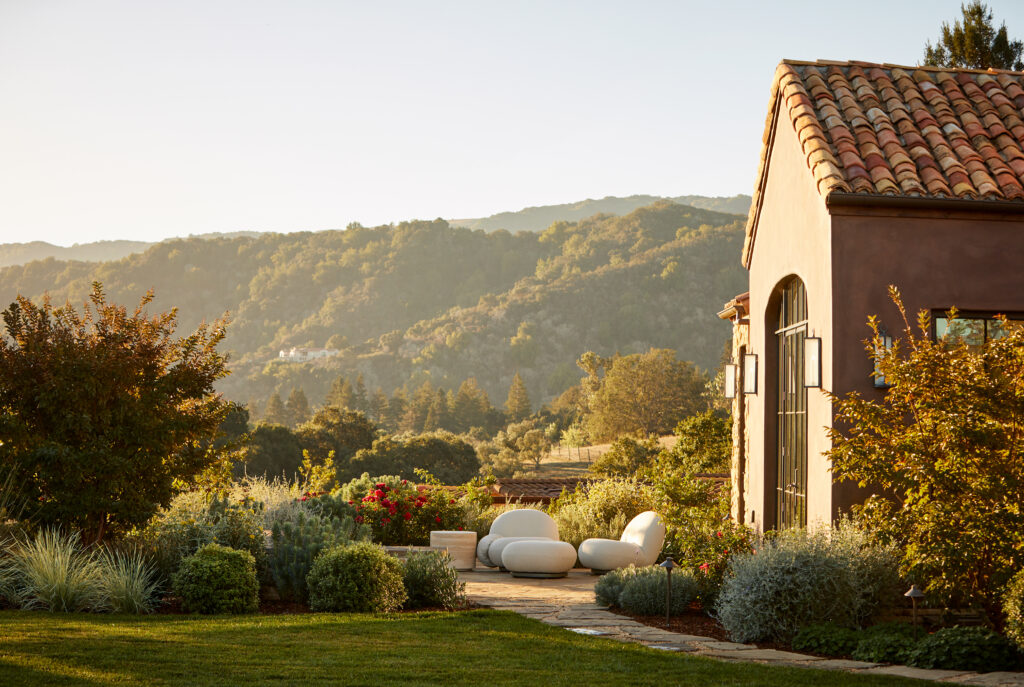
For most interior designers there’s no better compliment than hearing a client proclaim their love with a space that started as a shared vision on a mood board. For Jaimie, that moment occurred when her client conveyed she didn’t just like the finished home, she felt it. “Seeing her emotional connection to the finished spaces reinforced exactly why I love what I do. The mission at Maison Jaimie Belew Interior Design is to create homes that tell our clients’ stories, and this project is a beautiful example of that philosophy brought to life. The collaboration between the interior design, architecture and landscape design by Studio Green resulted in a home where every element feels seamlessly connected.”