2026 Residential Architecture Design: Mork-Ulnes Architects
Author:Lindsey ShookYou could say that Mork-Ulnes Architects’ inaugural project in Hawaii was several decades in the making. The clients are a married couple; during the wife’s high school days, she was a foreign exchange student in Norway. In 2014, when it came time to renovate the couple’s home in San Francisco, they sought out a firm with a Norwegian background. Enter husband-and-wife team Casper and Lexie Mork-Ulnes, who successfully took on the challenge of making the Edwardian house light and bright.
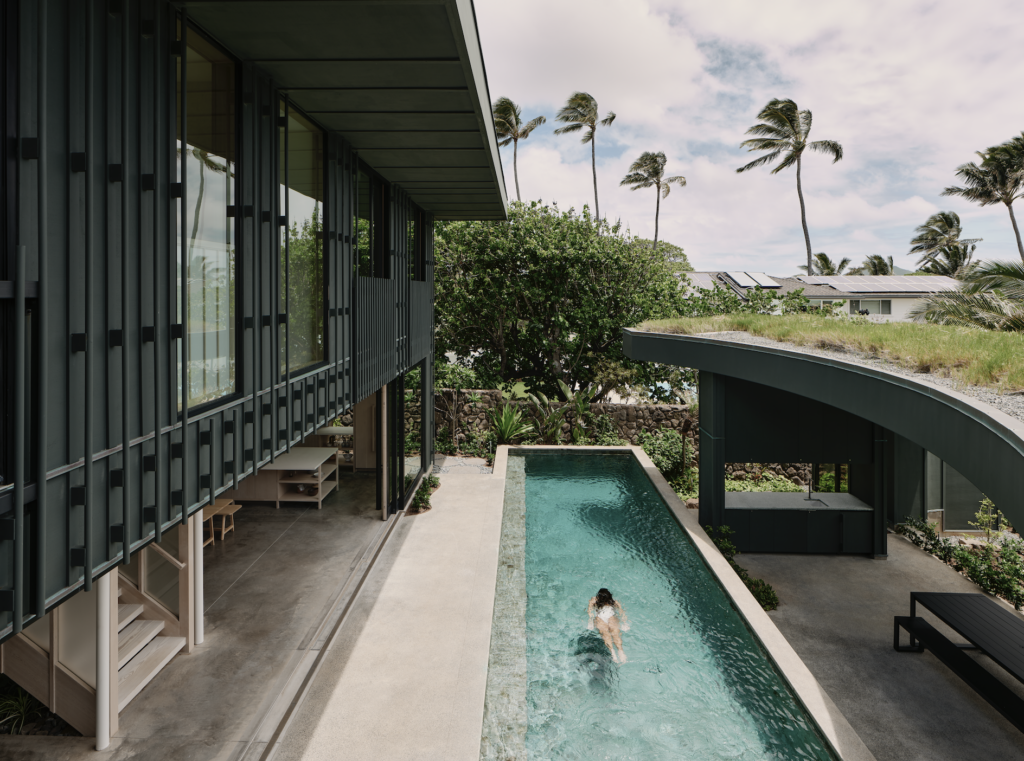
Photo by Joe Fletcher
Five years later, the clients were planning to relocate to Hawaii and reached out again—this time for a ground-up build in the Honolulu suburb of Kailua. While the settings and architectural styles of the two homes vastly differ, the similarities in the material palette can be traced back to the wife’s time in Norway. Case in point: the Douglas fir used in both residences, which was treated with lye to lighten the wood and prevent it from yellowing.
Photos by Mariko Reed.
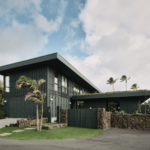
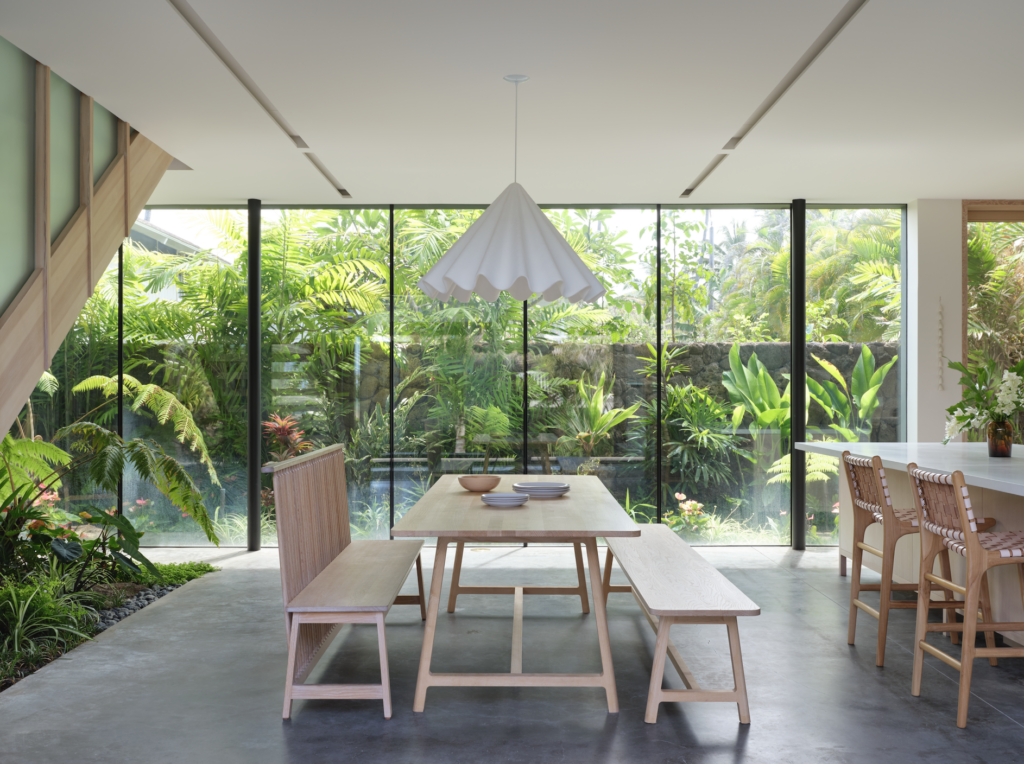
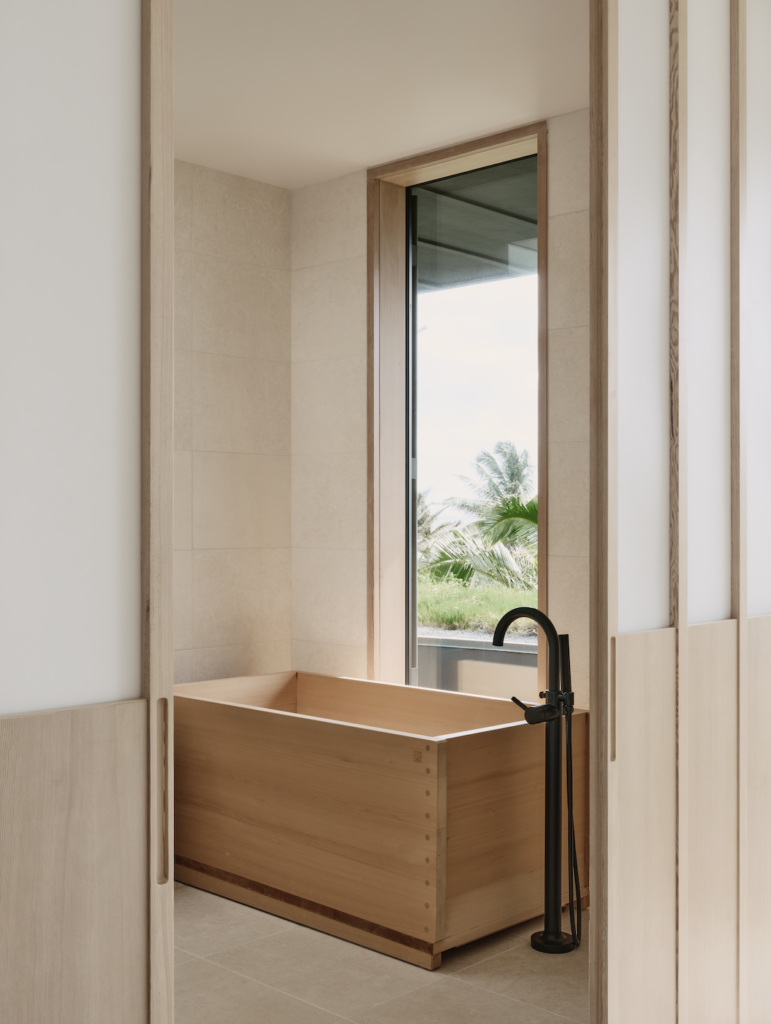
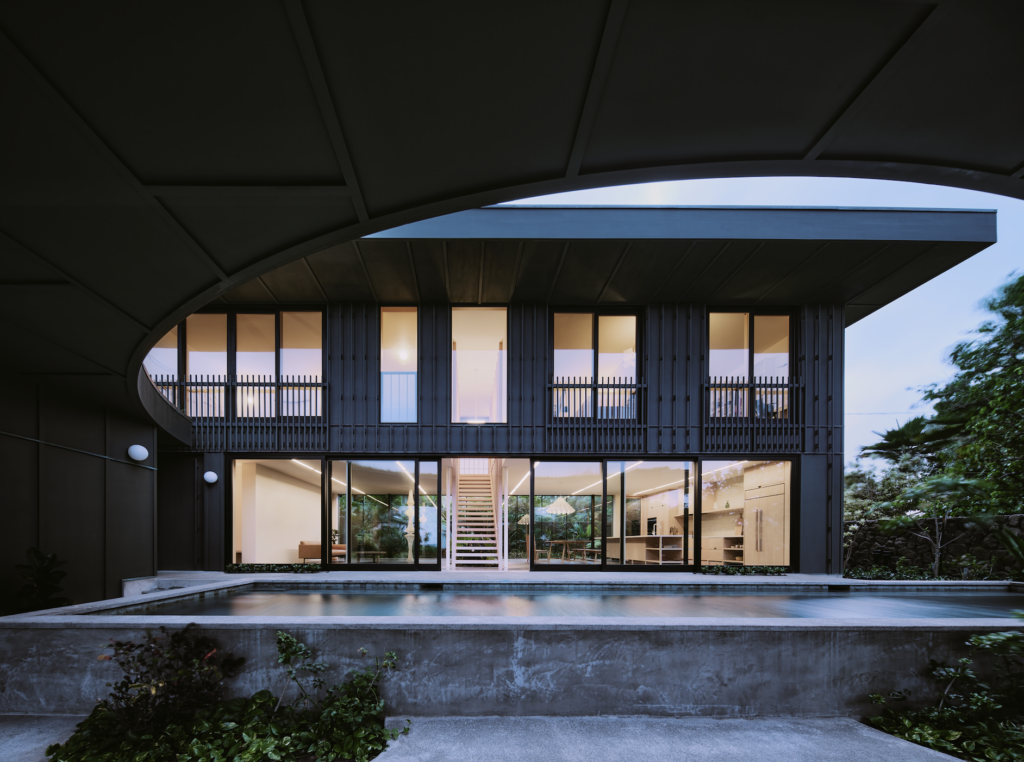
Along with Nordic influences, the new dwelling—built by Concept 2 Completion—exhibits architectural features that bring to mind California modernism (an amplified indoor-outdoor connection) and Japan (the frosted glass panels flanking the staircase are reminiscent of shoji screens). “It’s a very cross-cultural project,” Casper says. “It’s specifically designed for this Hawaii site but has these other layers.”
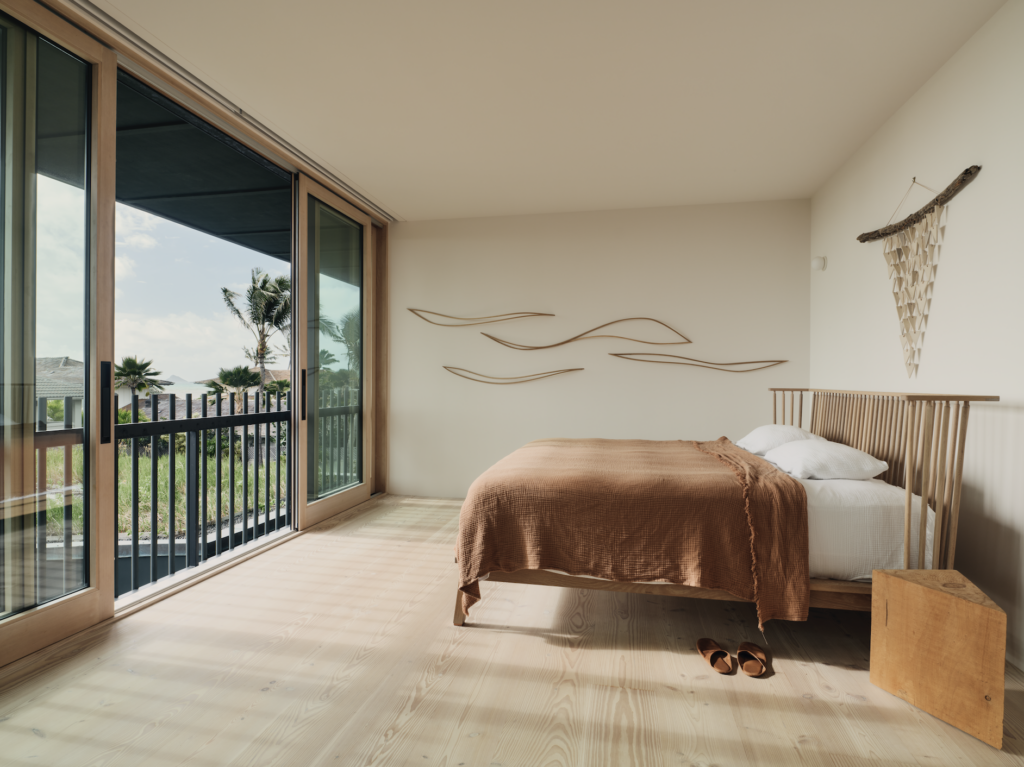
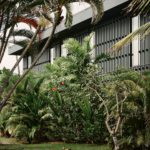
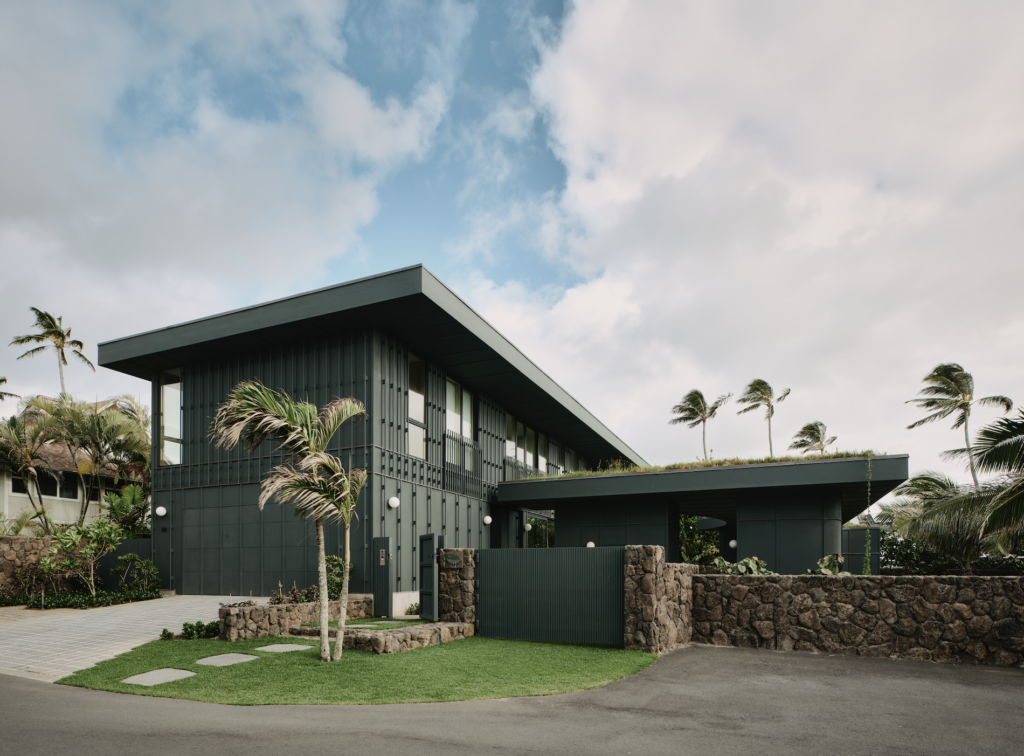
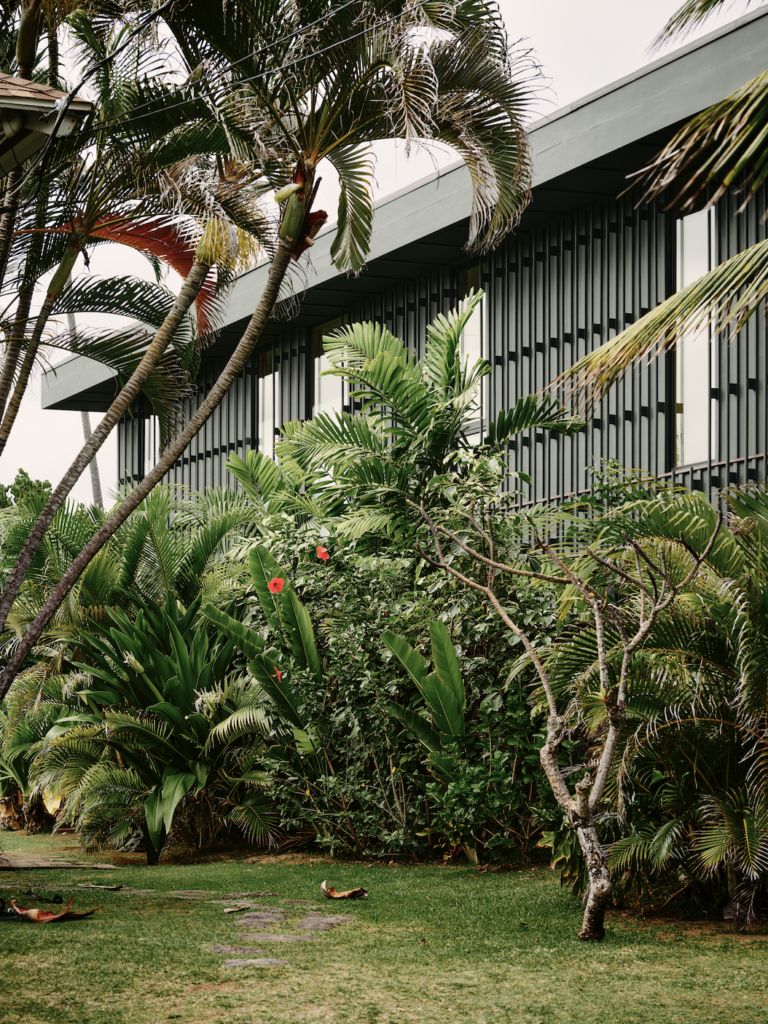
The local design vernacular, as interpreted by Mork-Ulnes, is also expressed in the property’s two structures: The two-story main house has board and batten siding and the lanai references a traditional open-air, roofed space. With the former, Casper recalls, “We thought, ‘How can we riff on this to make the vernacular bespoke for this house and tie it into the concept of the house, which is very much about the verdant surroundings?’” Hence the vertical wood dowels on the building’s skin. “It became this trellis-like facade to allow the plants to climb up and soften the form of this otherwise rectilinear volume,” he elaborates, noting that his firm worked closely with landscape architecture design studio Terremoto.
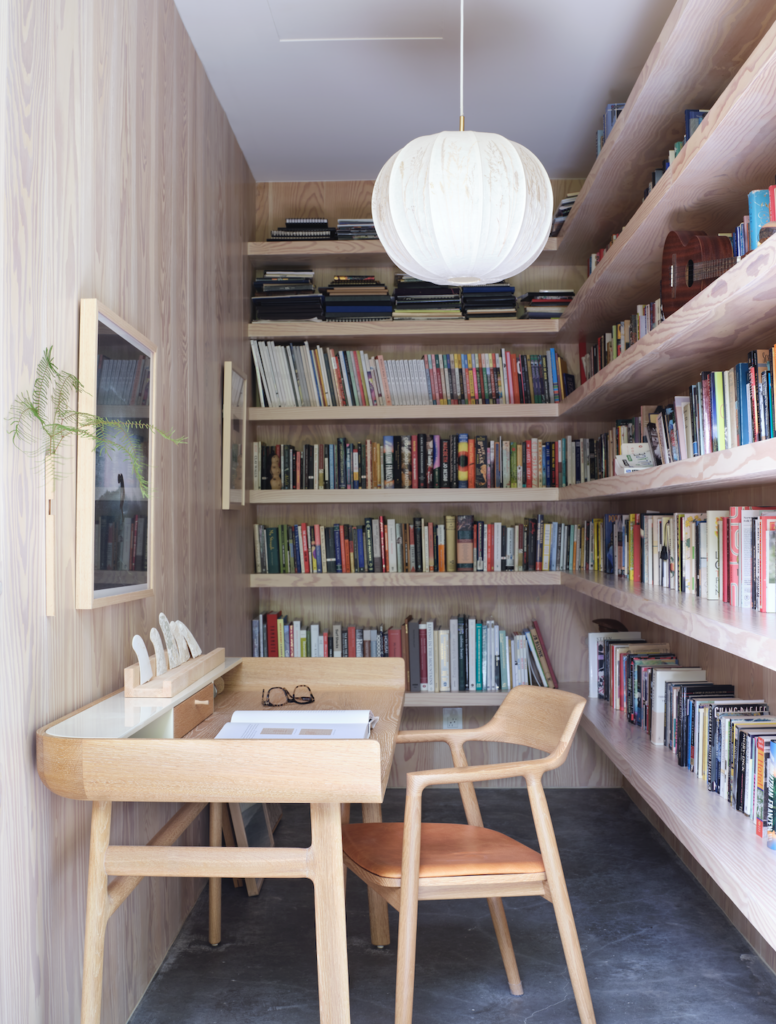
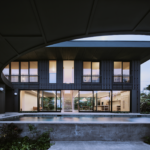
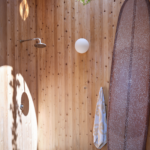
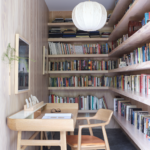
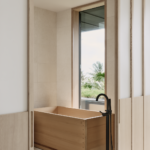
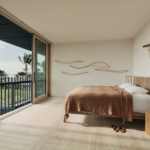
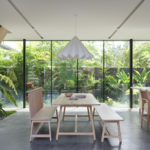
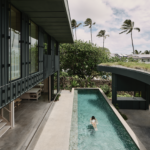
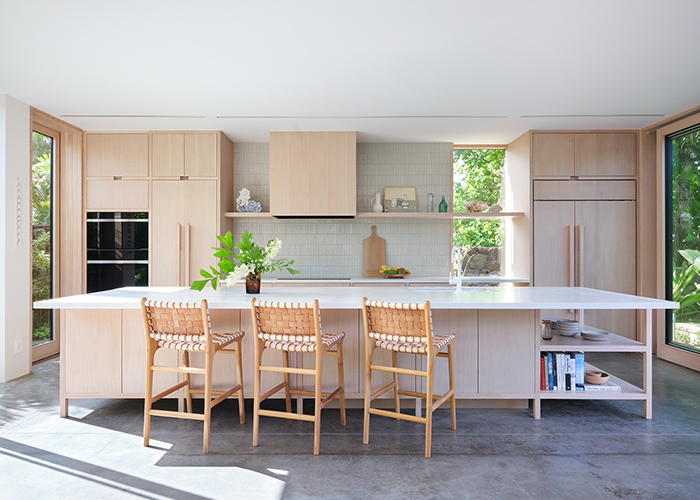
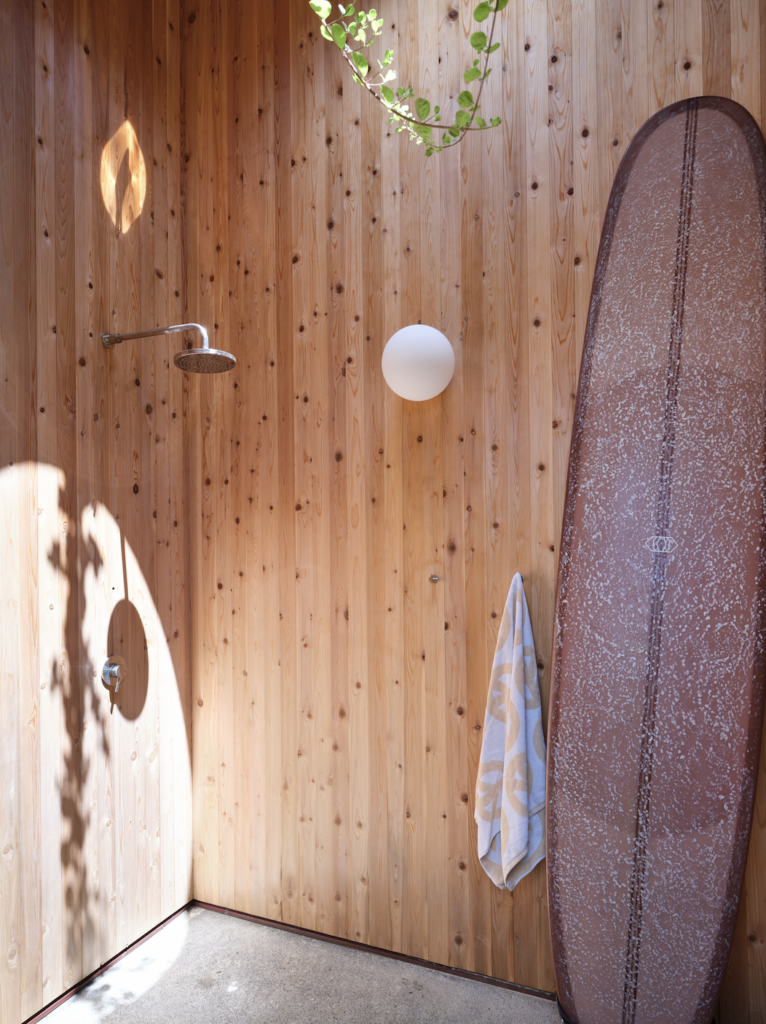
The ground level of the house contains the public spaces and the wife’s office, while the bedrooms are upstairs. A pool is situated between the house and the lanai, which comprises a combination kitchen- dining area, tearoom, bathroom and the husband’s office. The lanai’s green roof is “a nod to the typical Norwegian language—to have a grass roof on top of a house,” Lexie explains. She and Casper have implemented them in Norway, but this was their first such endeavor elsewhere. Since the curved roof is visible from the second floor of the house, it was conceived as the “fifth facade,” he says.
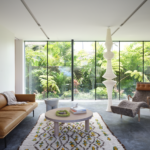
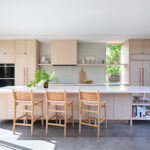
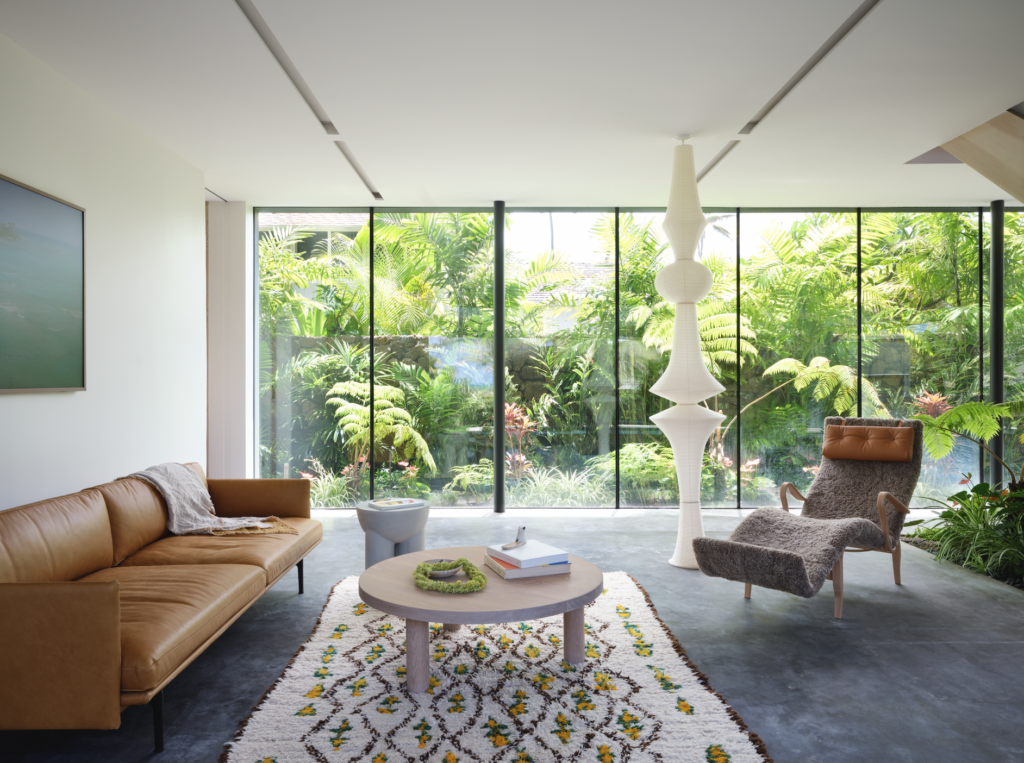
Like all Mork-Ulnes undertakings, Lexie spearheaded the interiors, including the kitchen design and finishes. The client was heavily involved in the furniture and lighting selections—which, not un- like the home’s architecture, reflect a multicultural approach. The living room, for instance, is outfitted with a sofa by Scandinavian brand Muuto; a chaise lounge by Swedish architect and furniture designer Bruno Mathsson; and a coffee table by Satoshi Yamauchi, a custom furniture maker in Honolulu. Rounding out the space are a light sculpture by American artist, furniture designer and landscape architect Isamu Noguchi that draws on Japanese paper lanterns, as well as a Beni Ourain rug from Morocco.
The project’s success has the Mork-Ulneses eager to spend more time in Hawaii. In fact, in addition to their offices in San Francisco and Oslo, they recently established an outpost in Honolulu. Of the latter, Casper says, “It’s an area we really enjoy working in and are super excited to have other projects there.”