

Design Matters: From Tree to Bar
Author:Lindsey ShookTo’ak Chocolate Reimagines Cacao as Cultural, Ecological and Artistic Heritage
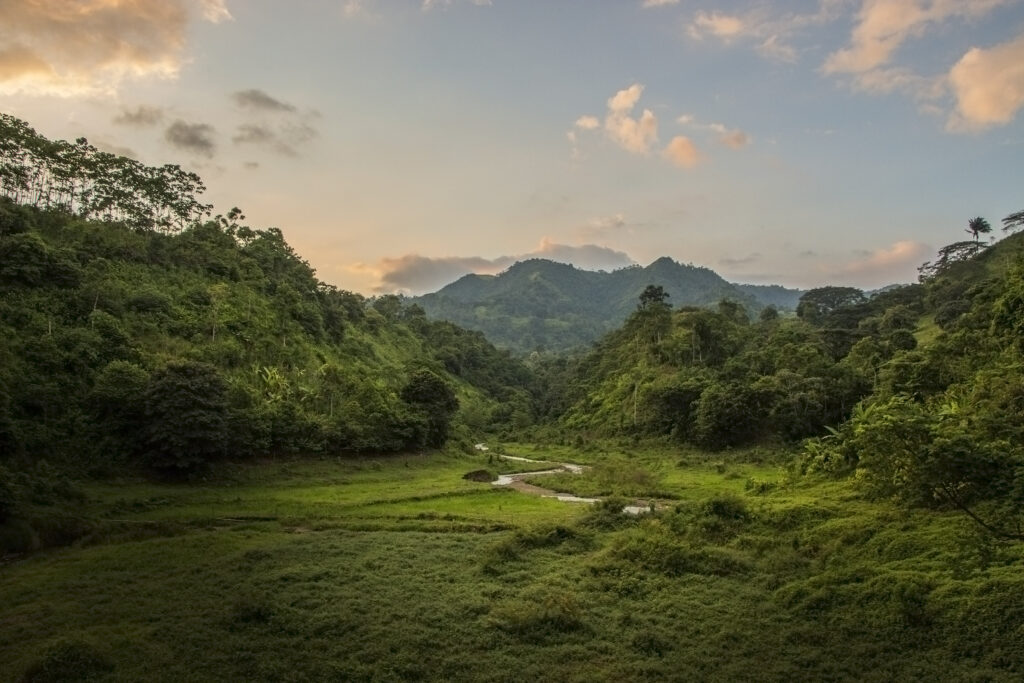
Chocolate is one of the world’s most consumed foods, yet its production has long been shaped by industrialization, commodification and environmental degradation. In contrast, To’ak Chocolate represents a radical reimagining of cacao’s cultural and artistic potential. Rooted in Ecuador’s rare Nacional cacao forests and guided by principles of regeneration, conservation and craftsmanship, To’ak challenges prevailing norms of chocolate production. This paper explores the origins, philosophy, and practices of To’ak Chocolate, arguing that its “Tree-to-Bar” model positions cacao not as a commodity, but as a form of agricultural art comparable to fine wine, while simultaneously advancing biodiversity conservation and ethical supply chains. We sat down with To’ak’s resident chief innovative officer and chocolate alchemist, Charles Michel to discuss their process and potential global impact.
-How did you get your start in chocolate making? Since the very start of my career as a chef, training at one of the most prestigious culinary institutes—Institut Paul Bocuse—I understood chocolate as one of the most precious ingredients in food craft. I learnt the basics of chocolate work following the French canon, which was really inspiring, but also, I came to understand, quite limiting. It was not the full picture.
During my time at 3-Michelin-starred Dal Pescatore in Italy, I was in charge of the pastry section. Nadia Santini and her son Giovanni, admirable chefs, had a very special sensitivity regarding chocolate. It was treated as a precious substance; none of it would ever go to waste. Nadia carried her technique from the Bernachon family, one of the most influential French chocolatiers from Lyon. I learnt the fine dining chocolate craft from that lineage. It was only when I came back to Colombia that I began learning about origin and genetics. And that opened up a whole different field of possibilities. Visiting the renowned indigenous territory of the Sierra Nevada of Santa Marta, I got in touch with communities that had access to ancient trees and genetics. I learnt cacao fruits grown in the wild would often travel on the back of donkeys for 12 hours, sometimes days, to arrive at cooperative processing centers near the main road, then, the fermented and dried beans were simply sold and treated as a commodity. How could beans with such a story become a traded commodity, devoid of identity? This was the reality, I thought, of many cacao-producing countries and then spent many years traveling to Ecuador, where I learnt about the legendary Fino de Aroma cacao, but also saw pristine forests being torn down and replaced with cacao plantations using pesticides and fertilizers.
-What inspired you to work with TO’AK? My first To’ak chocolate tasting was a mind-opening experience. As much as I had already been exploring fine chocolate, this was just on another level. It was, literally, like tasting a fine wine or spirit. Ample flavor dimensions I had no idea chocolate could even reach. We had a great connection with James, then CEO of To’ak, and since then ,we have only deepened our collaboration year by year. Concepts such as cask-aging chocolate, and taking chocolate to its ultimate luxury expression have been pioneered by To’ak, and are simply unique in the world. The more I learnt about their ethical values, regenerative cacao project in collaboration with TMA, and how much they went the extra mile on every aspect of the chocolate, from tree to bar, convinced me that this gem of a project was the world’s finest. I felt very privileged when they invited me to collaborate on their first chocolates with inclusions. To’ak recognizes cacao as something precious that must be protected, not commodified. We pay significant premiums to farmers for preserving biodiversity and protecting ancient cacao trees instead of converting land to monoculture. That aligns with my own mission of innovating towards food systems change. We want to translate these principles into products that speak to the world.
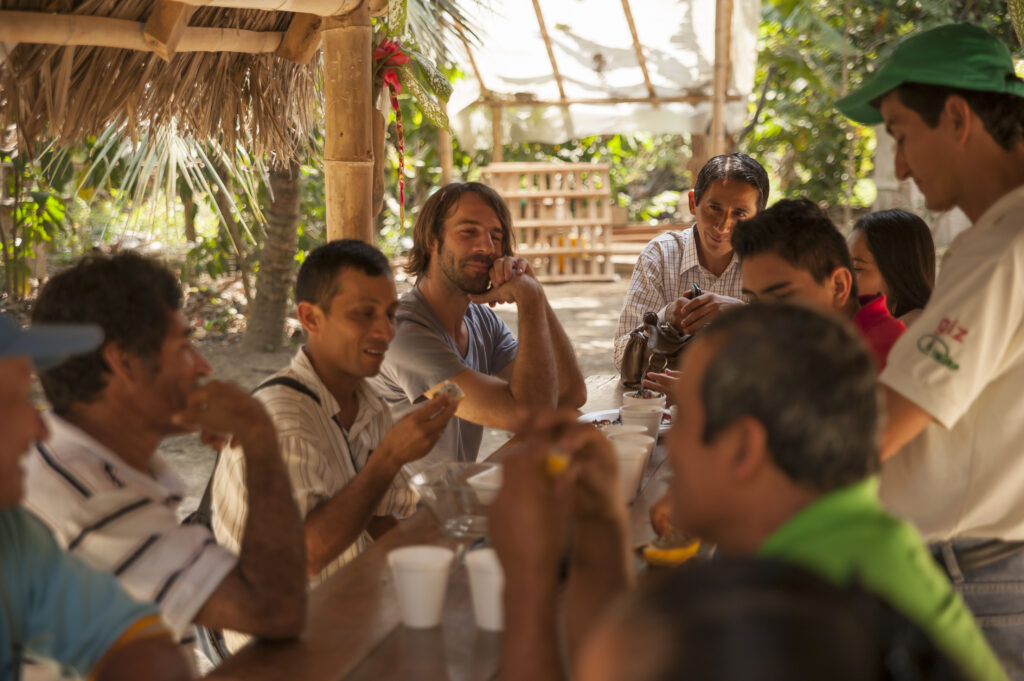
-Can you share an overview of your process and what makes it so unique compared to other chocolate brands? Many products labeled as chocolate would barely qualify as such if we looked closely at ingredients, processing methods, or sourcing. So, to answer accurately, it helps to zoom out first. Broadly speaking, we can distinguish between industrial, mass-produced chocolate; fine chocolate, which prioritizes flavor and origin; and bean-to-bar chocolate, where makers control production from the raw bean onward. To’ak doesn’t quite fit into any of these categories. We describe our approach as ‘Tree-to-Bar’ chocolate, reflecting the depth of our relationship with cacao farmers and the living ecosystems the cacao comes from. Our work begins long before harvest, with the genetics of ancient Nacional cacao trees, how they are grown, and how the forests around them are preserved. From there, we treat cacao with the same respect given to grapes in wine or botanicals in perfumery. Fermentation, roasting, and aging are all designed to reveal what is already present in the cacao, rather than to standardize it.
At the same time, we actively question the standards of chocolate making itself. Instead of looking only within the chocolate industry, we draw inspiration from the world’s finest product categories such as wine, spirits, perfumery, and culinary art, where terroir, time, restraint and authorship are central. The result is not just chocolate as a confection, but cacao as a cultural, sensory and agricultural expression.
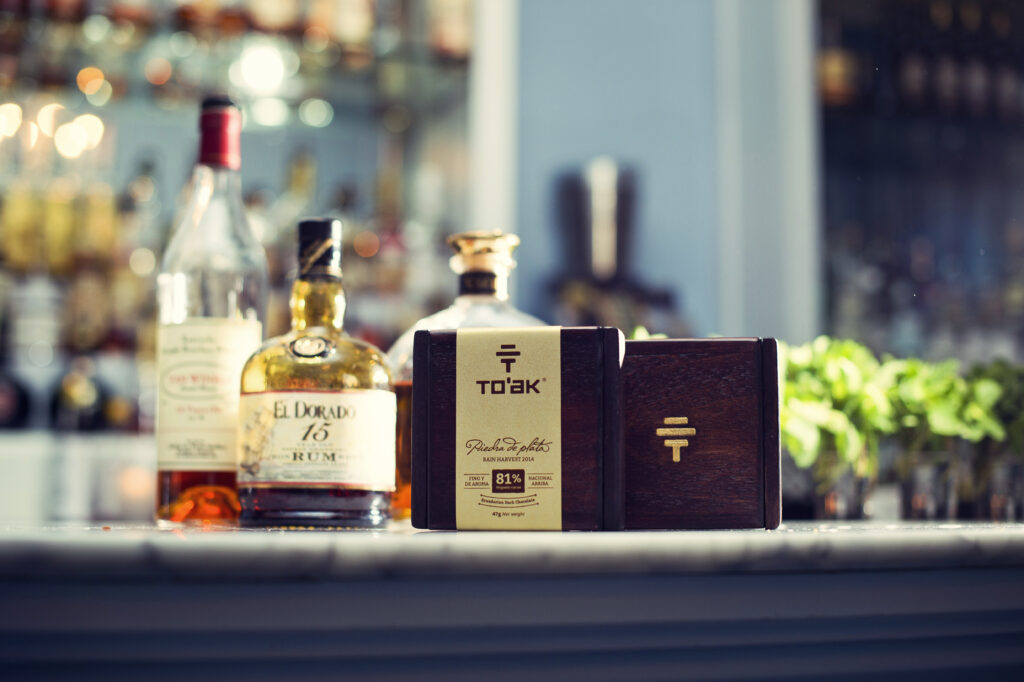
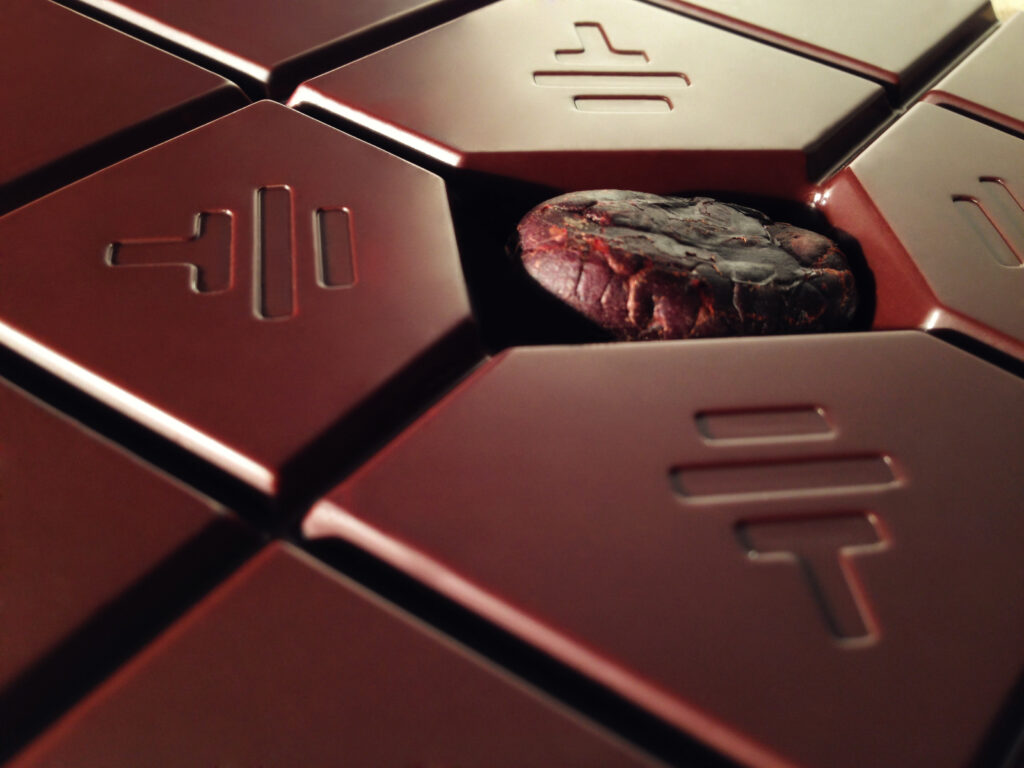
-From studying your packaging and branding, its clear that art and design play a key role in the business. How does the team approach this? Art and design are integral to how we translate the sacredness of cacao into a tangible experience. We work with both emerging and established artists, and for our finest expressions, such as the Master Series, each chocolate is accompanied by a limited-edition fine art print. Internally, a great deal of this coherence comes from Carl Schweizer, our co-founder and Brand Director, who is the guiding force behind To’ak’s chocolate craft and its impeccable packaging language. His approach treats each product as a complete object, not just a wrapper around chocolate. That attention extends all the way into production. Beans are roasted in different batches according to size, bars are handled with intimate care, and even the paper wraps are folded using origami techniques. Every detail reinforces the idea that this is something made slowly, deliberately, and with respect.
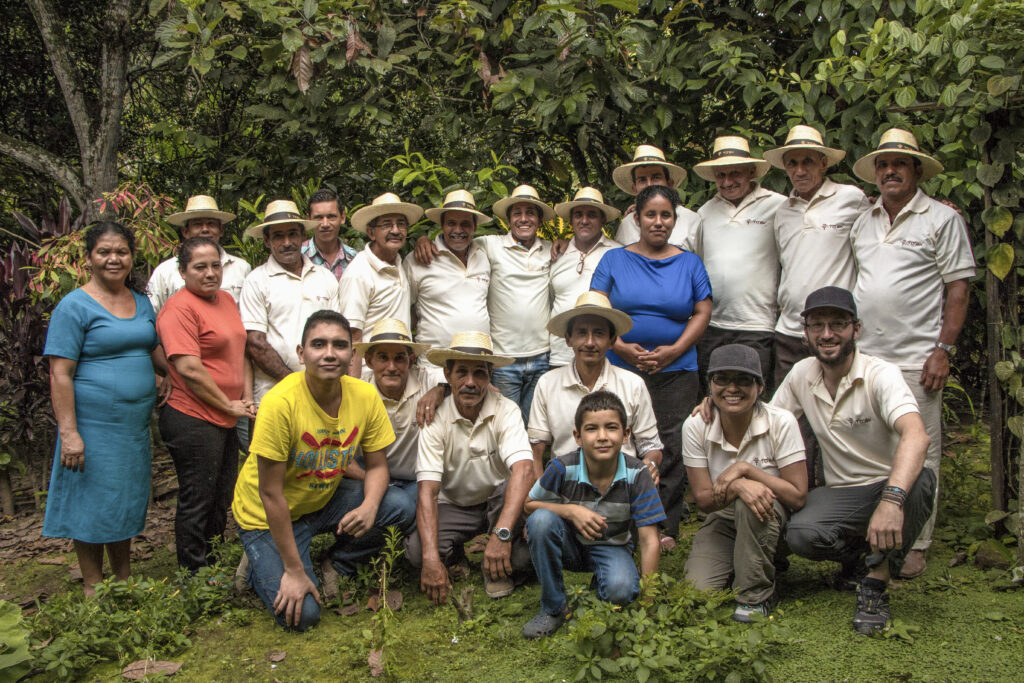
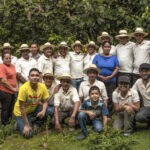
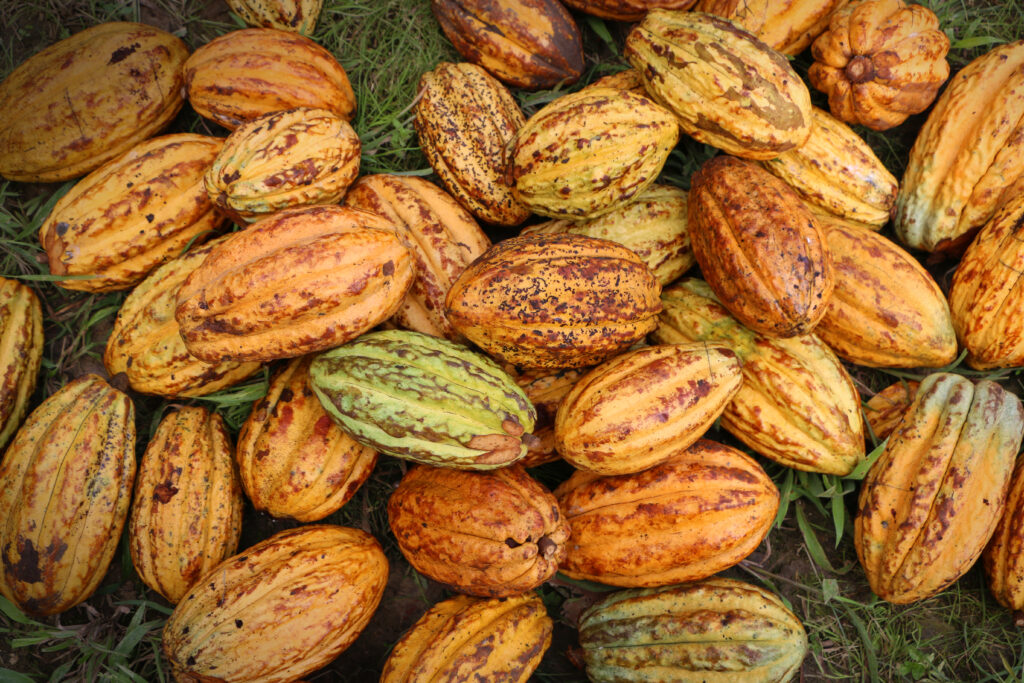
-Your cacao is sourced from the oldest and rarest trees in Ecuador. What does conservation of these forests and sustainability mean to the overall mission and process? Conservation is not an add-on for us; it is the core of the project. Our mission is to prove that a regenerative supply chain is not only possible, but viable at the highest level of quality and luxury. We work with some of the oldest Nacional cacao trees in Ecuador, grown in biodiverse, dry-farmed systems. Through our close alliance with TMA, we actively support the preservation, propagation, and long-term stewardship of these forests. The survival of these ecosystems is inseparable from the survival of the flavors they produce. If we lose these forests, we don’t just lose cacao—we lose genetic memory, cultural knowledge, and future possibilities.
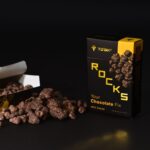
-In what ways have you shifted the products or what technologies have you integrated? My role has largely been about extending the same depth of care traditionally reserved for luxury chocolate into more accessible formats. Lines like Alchemy and ROCKS bring the essence of To’ak to a broader audience, while we continue to deepen the exploration of our most exclusive expressions through increasingly refined processes and narratives.
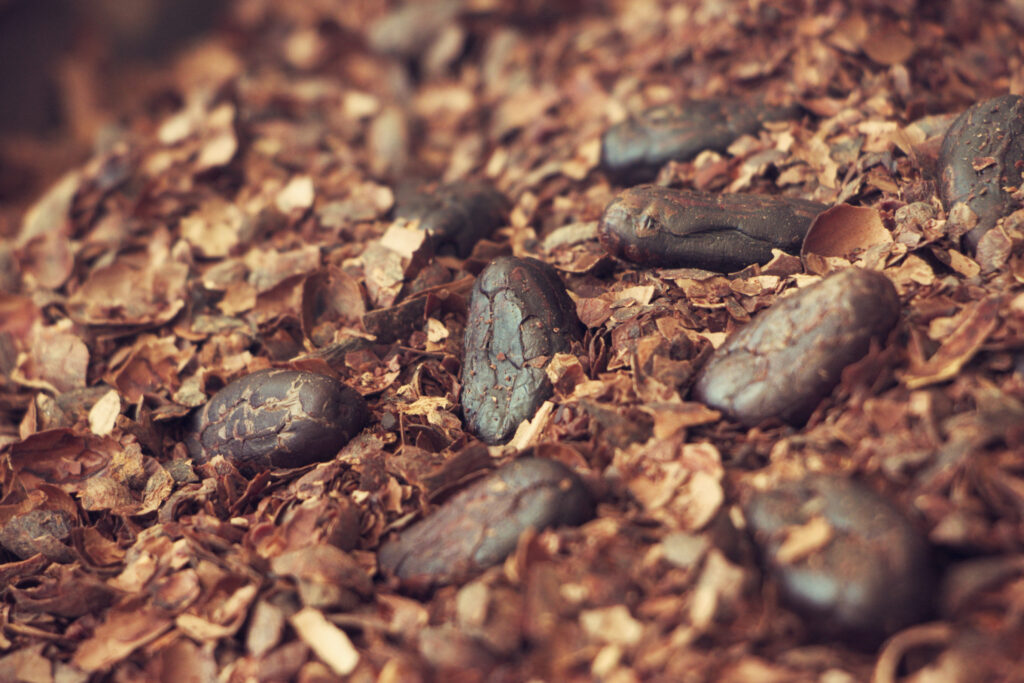
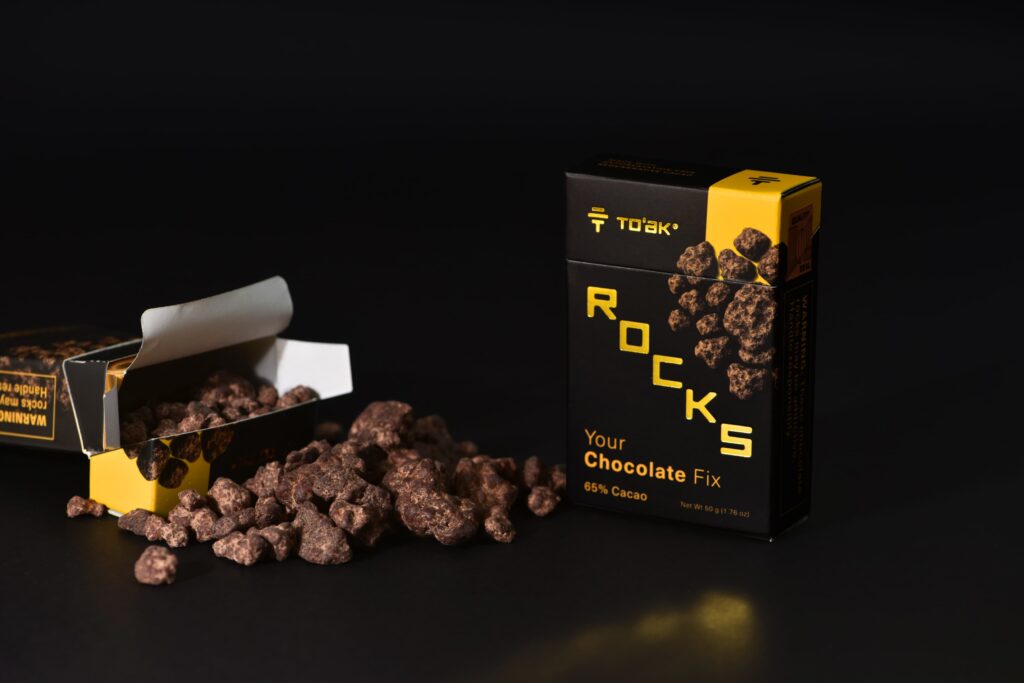
ROCKS, in particular, challenge many conventions of chocolate making. We removed conching and tempering, which in classical chocolate craft is almost considered heresy. Yet this allowed us to preserve the raw, powerful character of cacao and make the finest chocolate in the world accessible at a more approachable price point. At the same time, we are expanding the idea of what cacao can be. Ingredients like cacao husk and cacao honey, made from the fruit’s juice, have the potential to make chocolate craft more financially viable for producers, while dramatically expanding the culinary palette for chefs and consumers alike.
-How do the TO’AK products contribute the legacy of Ecuador? At the most immediate level, we are actively preserving ancient cacao Nacional genetics. Through our work with TMA, we have planted over 3,000 DNA-tested trees confirmed as 100% pure genetic Nacional cacao. But the legacy goes beyond Ecuador. When humanity loses a genetic species, it is not only a biological loss, but a cultural one. We see this work as a responsibility to the world, not just to one country. We also ask deeper questions. Why should chocolate craft—a product born in South America—be dictated almost entirely by innovations developed in Europe? Ask the average human about fine chocolate, and people will say Belgium, Switzerland, France—without wanting to take away anything from these cultures’ love and exquisite chocolate craft, we aim to move beyond. And why are the world’s most influential chocolate brands not based in cacao-producing countries? To’ak exists, in part, to help flip that script and reposition South America as a global reference point for excellence, innovation, and stewardship in chocolate.