
15 Minutes with Deborah Osburn
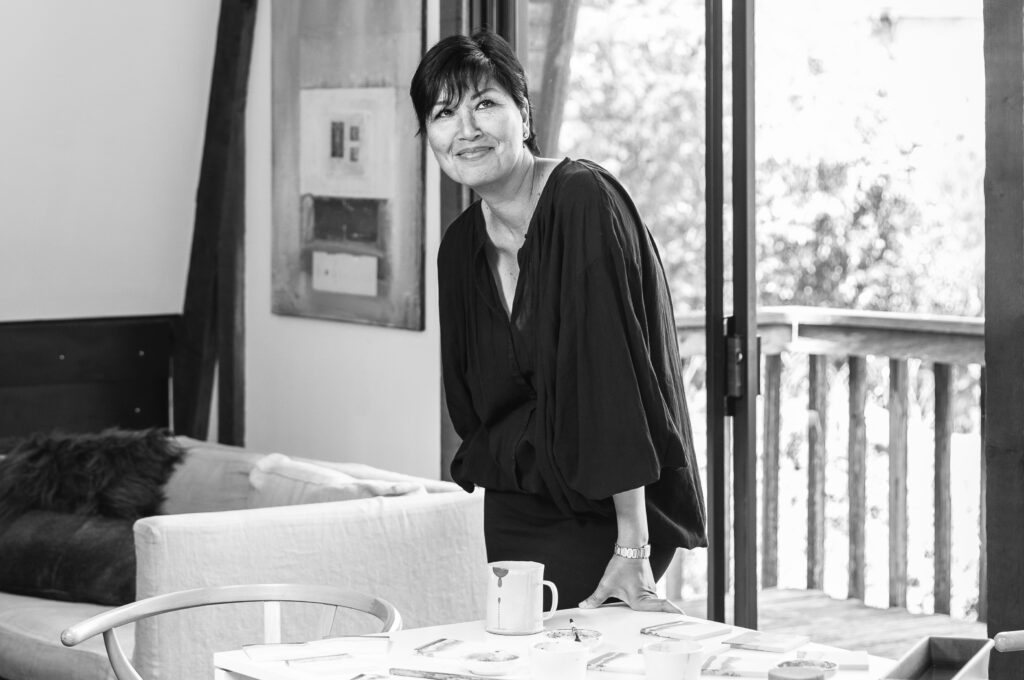
Author:Lindsey ShookAfter an astonishing moment experiencing mosaic tiles in a European cathedral, Deborah Osburn’s future took an unexpected turn. Once a sculptor, she was so moved, she launched clé—a now top resource for tile. As one of the foremost experts in the design community, it is clear that Osburn’s passion and expertise will continue to push the industry forward.
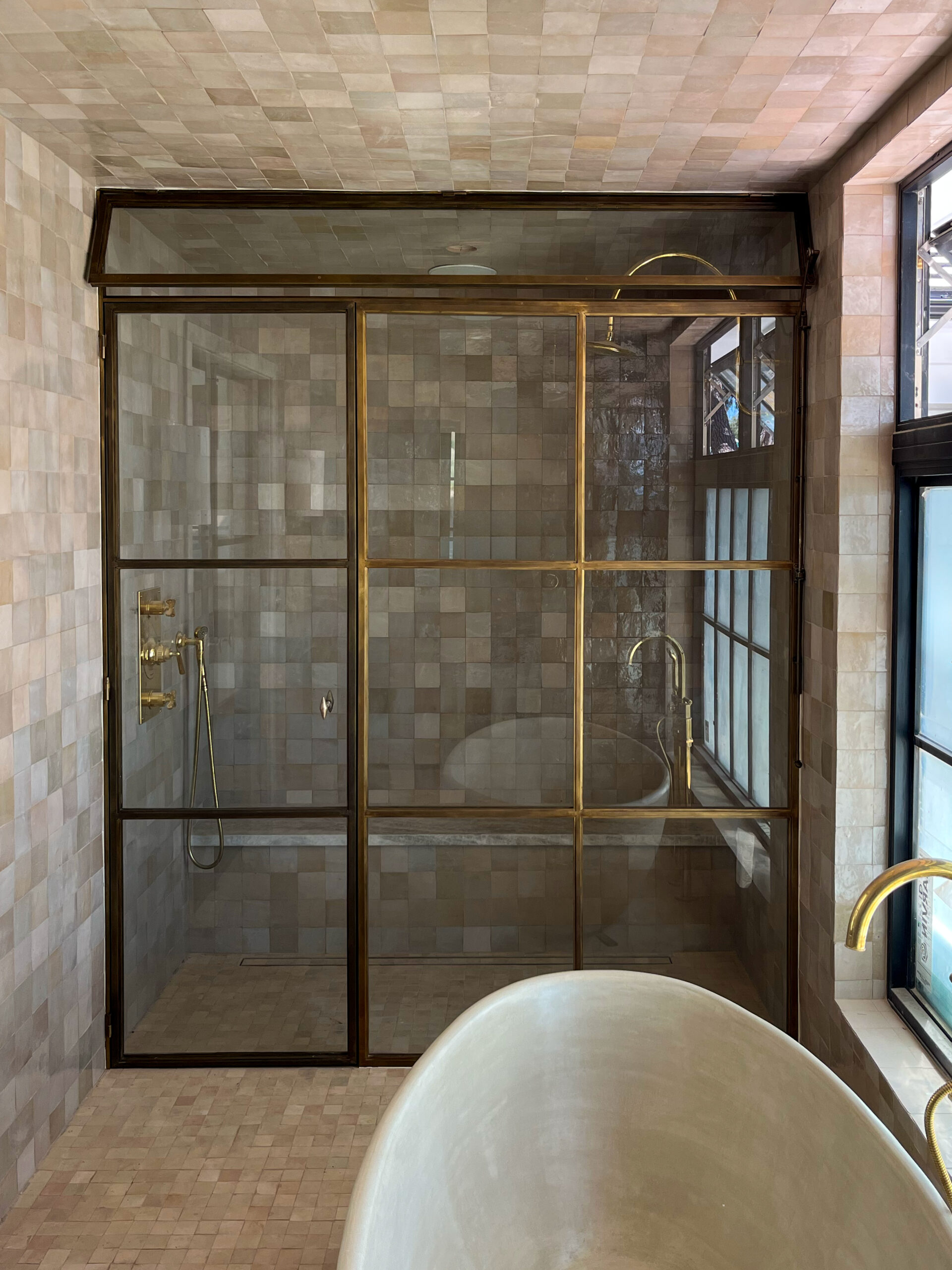
I read that one of the reasons you started the company was because you saw a void in the market. How has clé filled that void? Well, there were multiple voids, really. Firstly, there was a huge gap in knowledge about tile in the U.S. as Americans mostly knew 4×4 ceramics, and it was almost always an afterthought in kitchen or bathroom design. There was little awareness that tile has been used for centuries not just for function but also decoratively. Architecture in America is not covered in tile the way it is in many other parts of the world; churches, post offices, even pubs are adorned with it. I thought, there is so much beauty and artistry here, I can’t believe it isn’t appreciated. That awareness and knowledge—or lack of appreciation—was a huge void. Tile Envy really put things on the map and started filling that gap.
The other glaring void was how to bring American consumers—and designers, to a large degree—access to these traditions, like zellige and cement. How could they learn about them, access them, and see their value and artistry in person? It’s not like they could run down to Home Depot and grab a sample of fine Italian terra-cotta. With Tile Envy, I was always asked where people could get these tiles. My answer was that I could make them myself, but I could also curate what I loved in one place—the internet. Clé was born, tile was sold online, and the world has never looked back.
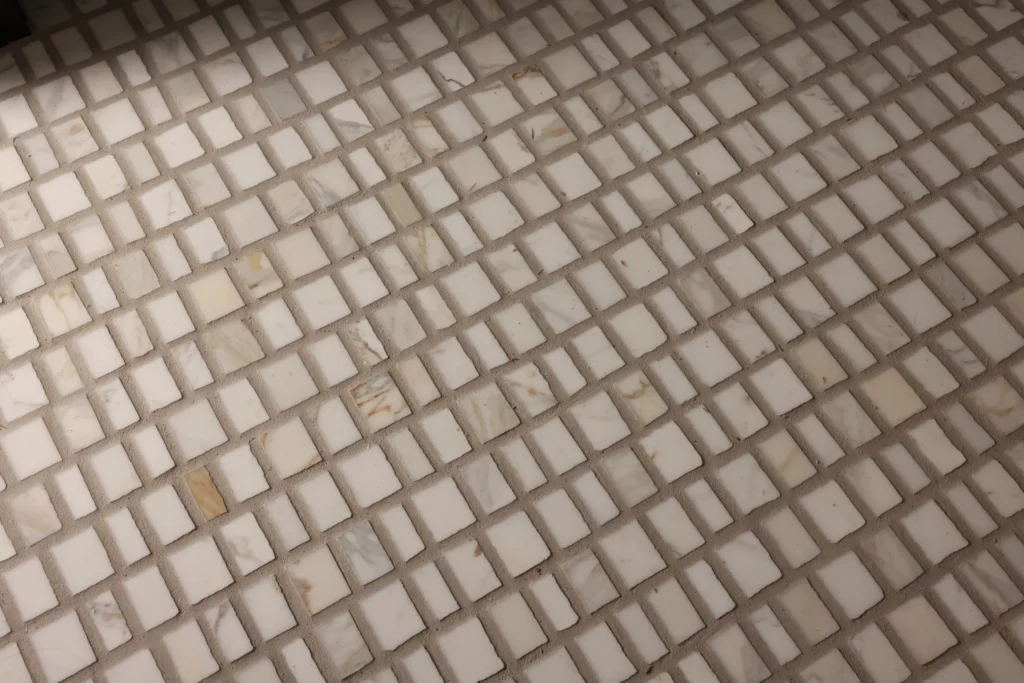
Do you identify any current opportunities in the market? I think it’s still day one when it comes to stone. In my compendium of beloved surface materials, stone stands out as its empress. It is stunning, historic, and utterly epic. I’ve often scolded the industry for turning it into a product mostly seen as a “building material,” as I have always revered it as evidence of Mother Nature in one of her most precious forms. This has always been something I wanted to change in our industry. I wanted people to examine each piece for its colors, veining, layers and fossils and to think about the essential forces of nature that created it. That’s why our stone collection is called Lapidary—it treats stone as something precious, sculpted or polished to reveal profound beauty. Lapidary began small, showcasing stone in a jewel-like fashion through our mosaic and sculpted marble collections. What we started a couple of years ago took off quickly, and demand for stone continues to rise. For clé, the goal is not just to offer more stone, but to present it in new ways, curated from references in fashion, art and cinematography today.
As an artist you approach tile design as an art form. Is there a particular era or movement inspiring you right now? We live in a unique time where art history is incredibly accessible through museums, books, films and periodicals that share how art and design have evolved. With all these references—from primitive to modern, austere to maximalist—it’s inspiring to see how creatives tap into their own histories and relationships to these eras, creating their own design DNA. This moment in time inspires me more than any other in my 30-plus years creating surfaces. I often say I live in two dynamic worlds: first, designing and creating through my enthusiasm for materials; second, watching how the design world interprets and puts its signature on them. I can’t think of anything more inspiring.
How has the clé Guild initiative improved your processes? The Guild started as a “just do it yourself ” project. I had been searching for a glazed thin brick—not just any thin brick, but one with an amazing glaze in incredible colors. I wanted glazes that showcased the depth possible in ceramics when combining science, art and fire. Many tiles are mass-produced or lack that magic. While I appreciate tiles en masse, I’m enchanted by how beautiful they can be up close. The right tile demands a skilled “magician” who understands tricky, unforgiving elements coming together. Ultimately, we decided it was something we simply had to do.
It began small, but as we gathered ceramicists and mad scientists to create new glazes, the Guild became a place of experimentation—a space to try new things and test possibilities daily. I’m like a kid in a candy shop. From that start, it’s grown into multiple facilities producing artisanal tile with the latest technologies. Research and development, production and product development are all under one roof. The clé Guild is the anchor for clé; it lets us move from celebrating the best of tile to creating the best.
What has been the most successful channel for developing client relationships? One emerging channel is creating custom projects other companies might forgo. This is partly because of the Guild but also because of our long, collaborative vendor relationships.
Favorite California hotel? Post Ranch Inn in Big Sur. I love its location, respect for the surroundings, and extreme California vibe—from architecture to food to setting. It epitomizes the California experience.
Do you have a dream collaboration? I would love a project that extends tile use to exterior architecture—perhaps a small community or assemblage of structures—because this is where I first fell in love with tile, as cladding on cathedrals and gleaming cities in places like Portugal.
What is one piece of advice you would give yourself before starting the business? I’ve had many iterations of my tile business over decades. I’m grateful to take what I’ve learned from past chapters—often hard-fought lessons—into clé. Honestly, there isn’t much I would have done differently, except perhaps lean even more into artist collaborations and material experimentation. Luckily, I still have the future to use that advice!