A Place for Healing and Hope
Author:Lindsey ShookAnderson Ranch Arts Center creates space for artists displaced from the wildfires
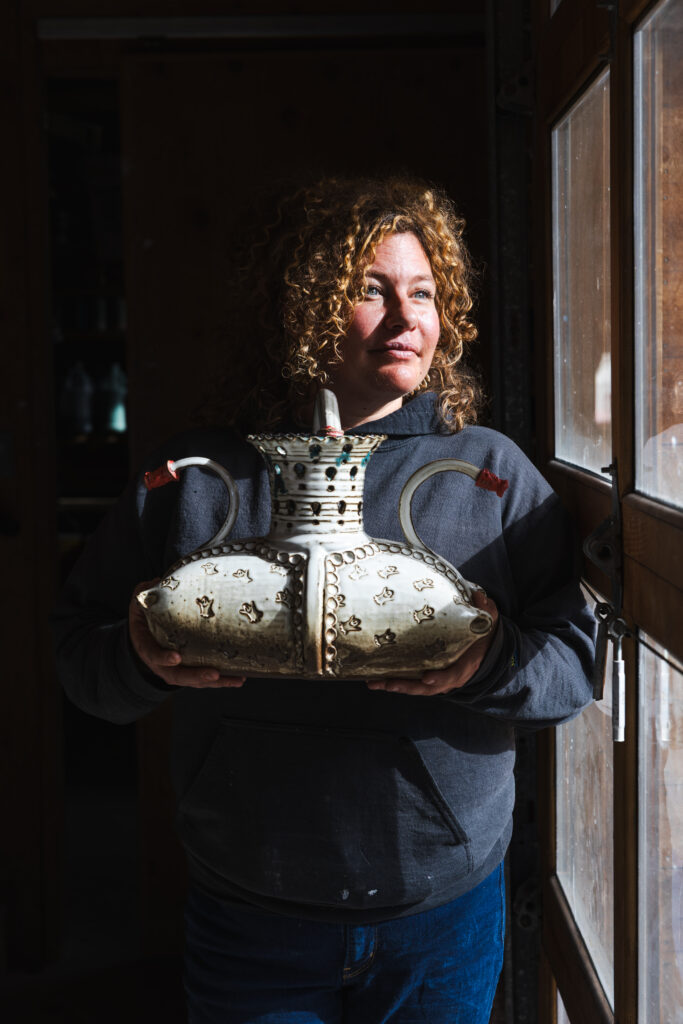
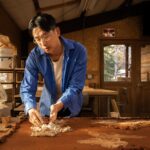
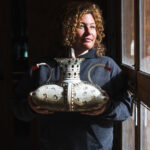
In the wake of the devastating wildfires that swept through L.A., many makers and artists found their homes, studios and work reduced to ash. But their resolution to rebuild remained strong; they just needed a place to begin. Enter the Anderson Ranch Arts Center. From October 15 to November 19, 2025, the Ranch—long known as an exclusive destination for art and critical dialogue—opened its doors to 15 L.A.-based artists who lost everything. The selected cohort included Lynne McDaniel, Michelle Dakan, Olivia Hill, Noah Jackson, Bryan Omar Juarez, T. Kelly Ma- son, Arturo Mejia, Marieka Possman, Clay Ngo, Jane Orr, Sam Richardson, Lili Todd, Carmela Uribe, Yu Ye and Joel Zuercher. All program fees were waived as part of a supported residency designed specifically for artists impacted by the fires. The goal was not only to provide a place to work but a community of healing.
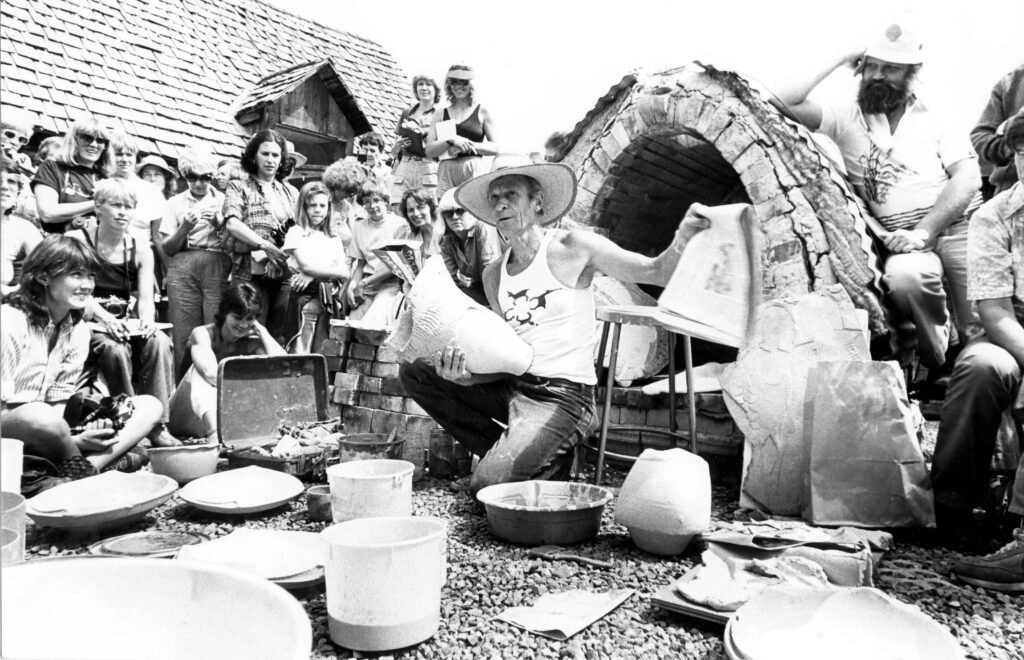
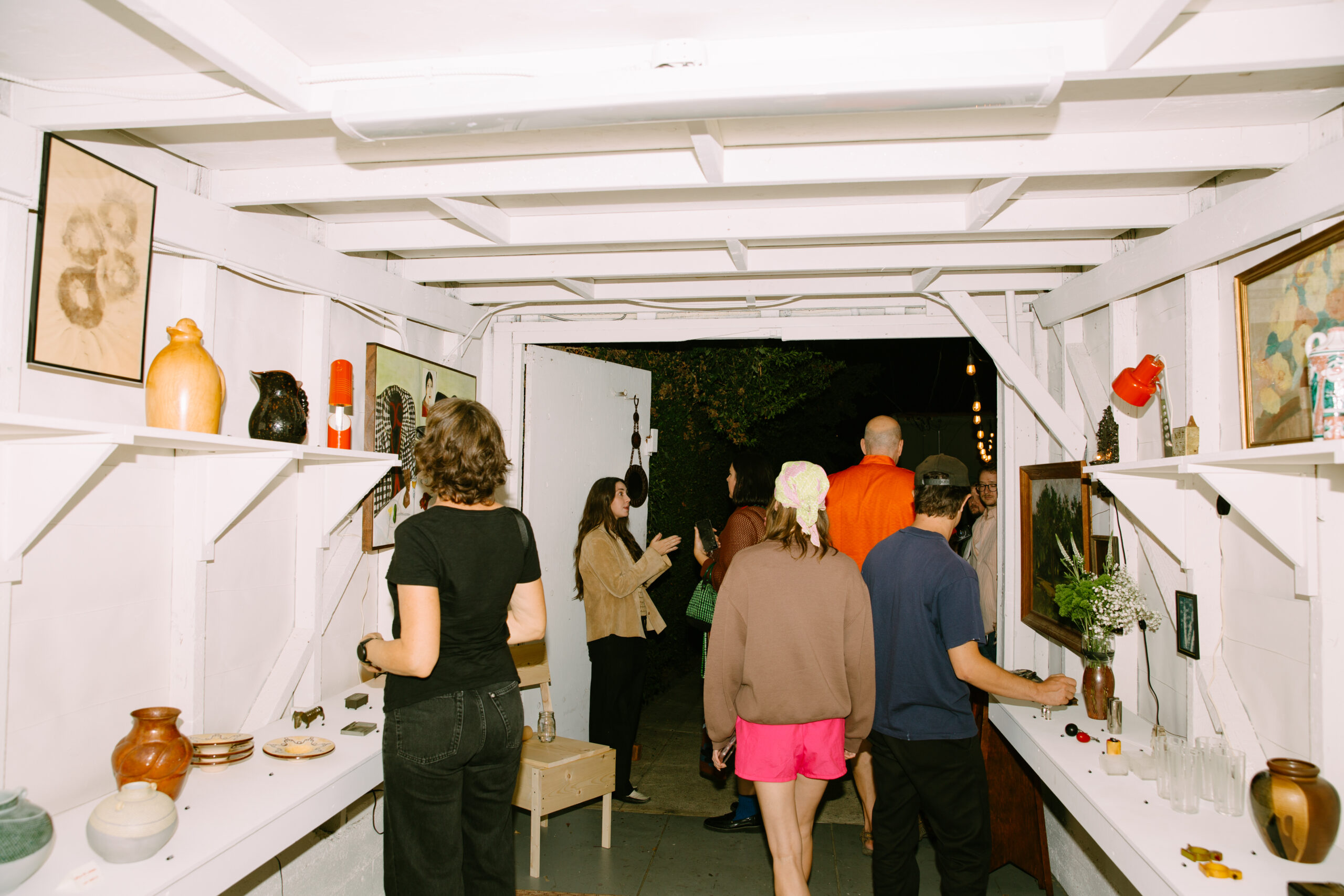
Photos courtesy of Anderson Ranch Arts Center.
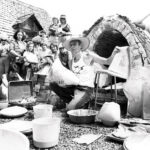
Founded in 1966 by raku ceramicist Paul Soldner, Anderson Ranch Arts Center has spent more than 50 years bringing together aspiring and internationally renowned artists in a spirit of inquiry and exchange. This residency marked not a departure from that legacy, but a deepening of it—an example of how institutions can respond with empathy, flexibility and care when artists need them most.
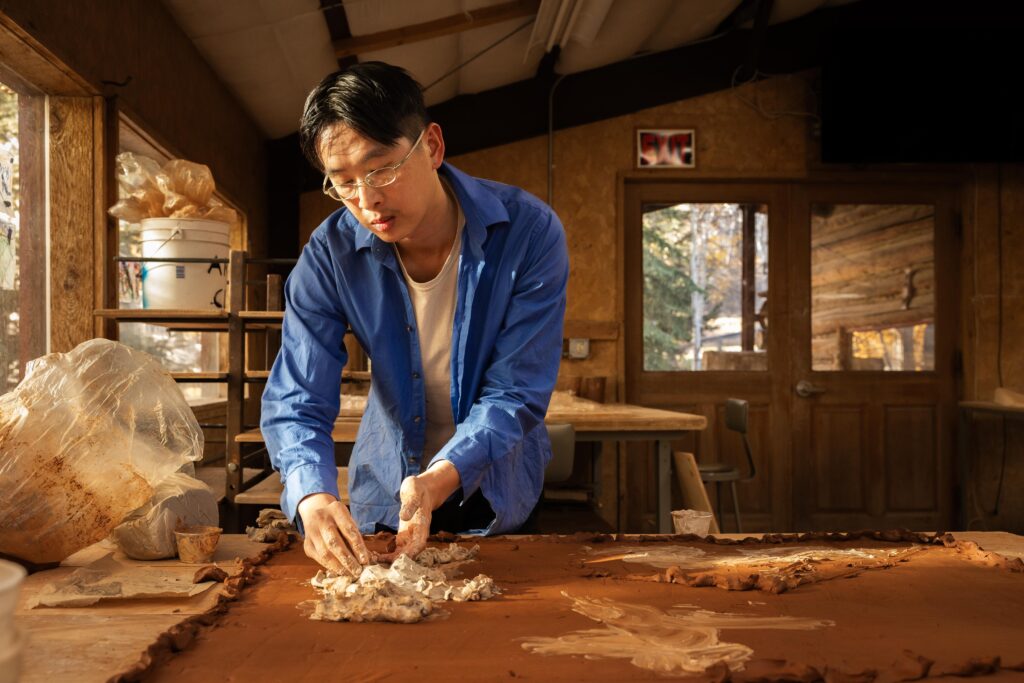
Photo by Evan Soroka.
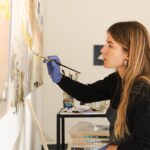
Nestled in the cascading mountains of Aspen/ Snowmass—in a region prone to wildfires— Anderson Ranch offered much more than a traditional artist residency. Housing, meals and fully equipped studios give them room to breathe and to work again. Painters, sculptors, photographers, printmakers, ceramicists and designers moved across disciplines, sharing tools, curiosity and conversation. Painters experimented with laser cutters in digital fabrication. Photographers learned to throw clay on the wheel. Sculptors etched plates in the printmaking studio. For some, the experience even became a blueprint for rebuilding their own lost studios—surveying equipment, reimagining what was essential. “Artists help us make sense of the world—through close observation, deep reflection and the cour- age to give form to experience, memory and hope,” says Peter Waanders, Anderson Ranch Arts Center president and chief executive officer. “Supporting that essential work is at the heart of Anderson Ranch’s mission. This residency offered time, space and community for artists impacted by the L.A. fires to reconnect with their practices and with one another. Through creative exchange and shared inquiry we saw not only renewal, but the powerful role of community in helping imagination and hope take hold again.”
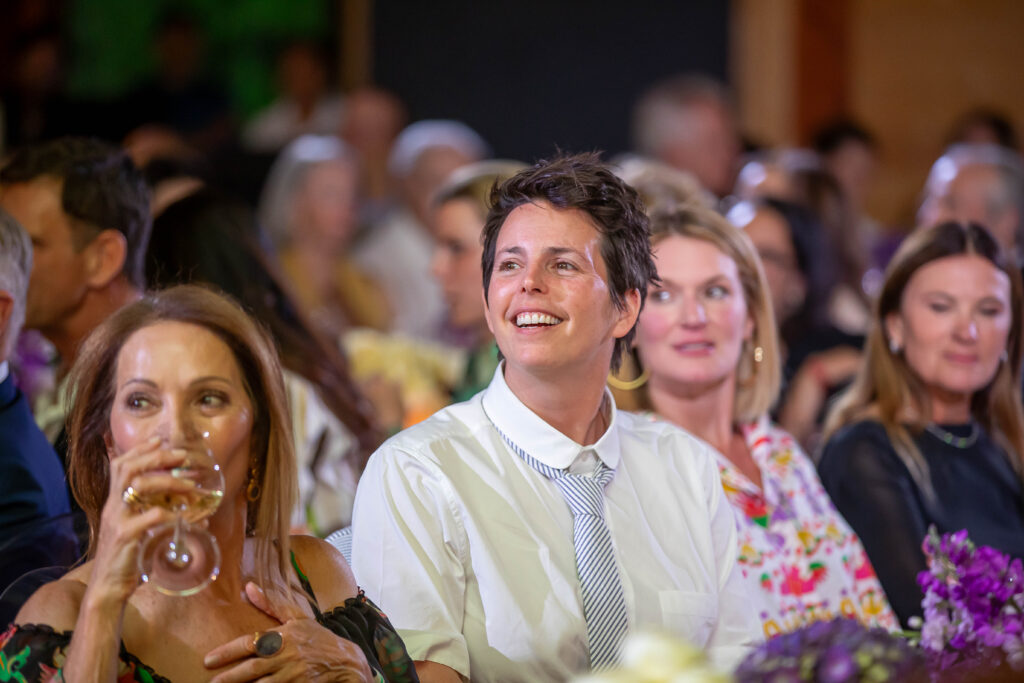
Elizabeth Ferrill, artistic director of painting, drawing and printmaking and director of the artists-in-residence program, described the heart of the initiative simply: to offer a space where healing could happen collectively. “For artists, creative renewal supports emotional healing,” she noted. “Artists who are working in a studio are growing and engaging in the thing that makes their lives whole: art. As for practical support, we waived residency fees and application fees to lighten the financial burden of attending the residency.”
There were tears, Ferrill recalled, but also humor, ambition and endless productivity. With tools and materials made available, and the everyday care of meals and housing provided, art- ists were freed to return fully to the studio. “The common thread was trauma, loss and the desire for community, support and returning to the studio to make art,” she notes. “Each story was unique: Some artists lost their homes, some also lost their studios, and many mentioned losing the tools and equipment needed to make their work. All expressed the desire to begin again with the support of the Ranch.”
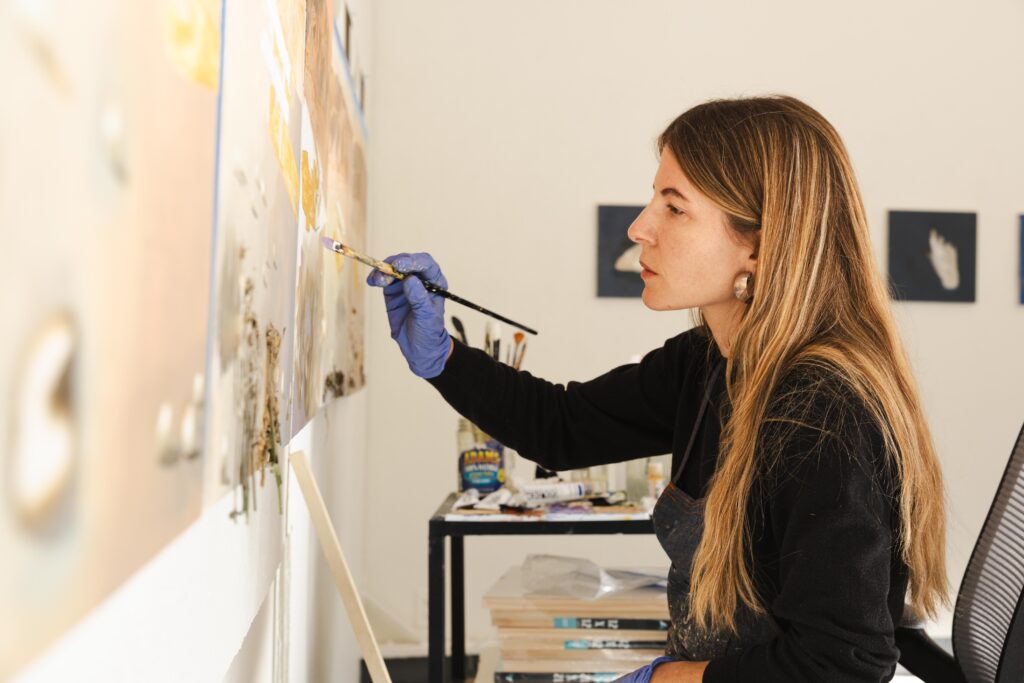
By the end of the residency, what had taken shape was more than a showcase of new art. A renewed sense of love and support and a rekindled excitement for work and life was ignited. In the aftermath of fire, the Ranch became a place not just to make art, but to remember why making it matters.
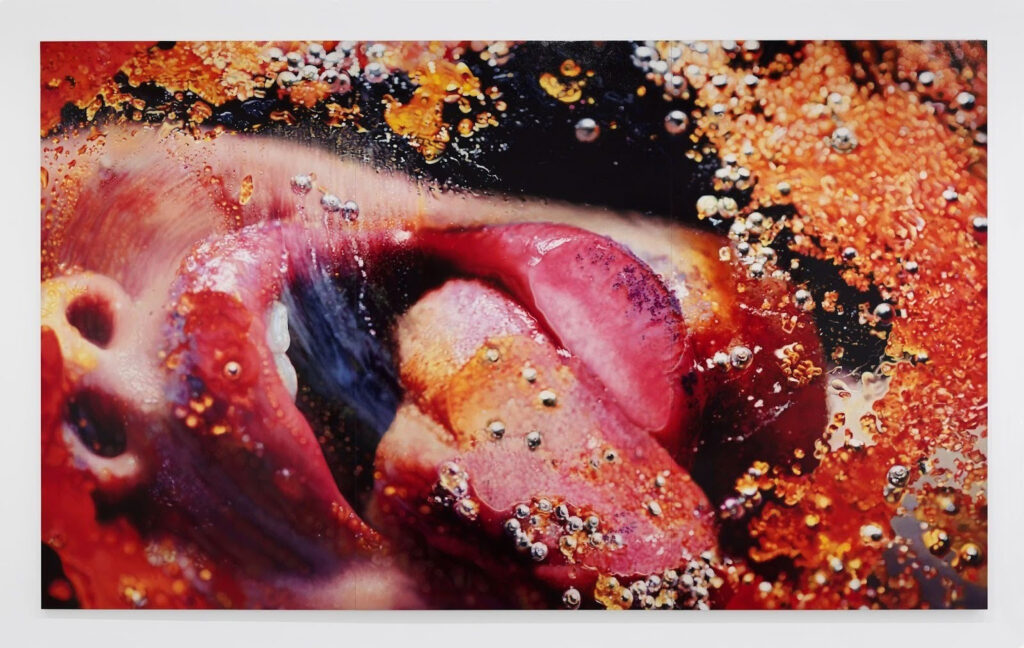
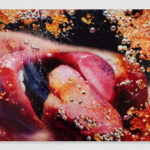
Courtesy of the Artist and Regen Projects, Los Angeles, CA.
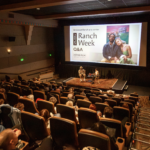
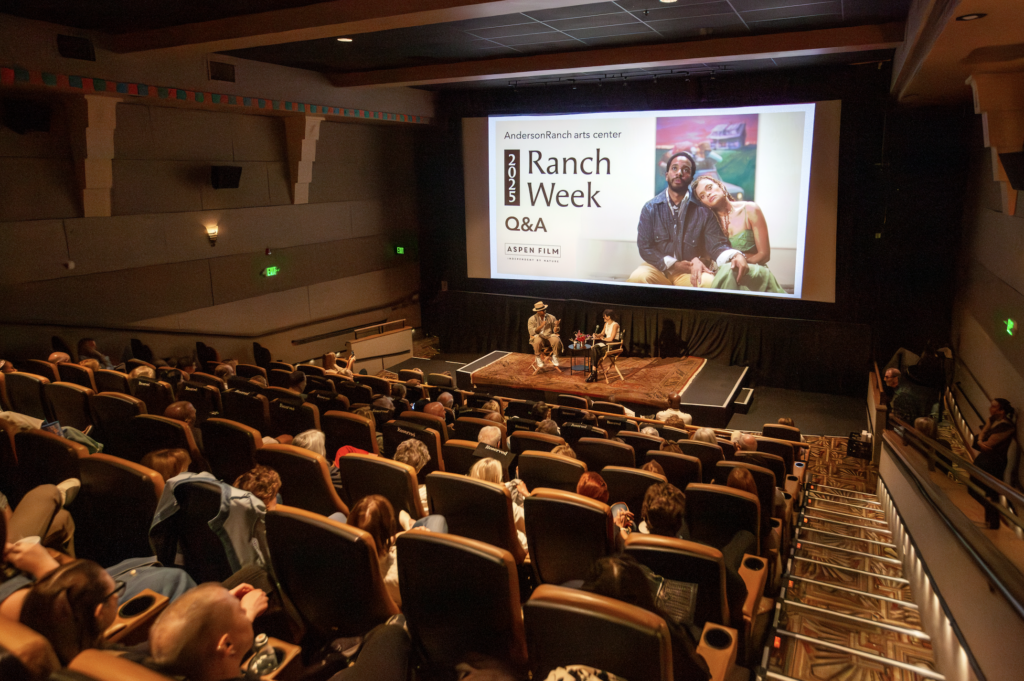
Beginning July 9, the Ranch launches an exciting slate of seasonal programming with the Summer Series: Featured Artists and Conversations. Anderson Ranch Arts Center’s signature annual celebration of art and community Ranch Week takes place July 13–18 and will include a special screening of iconic visual artist Marilyn Minter‘s documentary PRETTY DIRTY, followed by a Summer Series conversation with Minter and Lisa Phillips on Tuesday, July 14. Then on Wednesday, July 15, the ranch will host one of the industry’s most anticipated events—the Ranch Gala. Chaired by Sue Hostetler, Jeanne Greenberg Rohatyn and Robin Loewenberg Tebbe, the evening will honor Minter as the 2026 International Artist Honoree—an award presented to globally recognized artists whose work reflects the highest level of artistic achievement and whose careers have fundamentally influenced contemporary art. For more information or to purchase tickets please visit the official website here and to view the entire Summer Series seasonal calendar, register HERE.