
Built by Constraint: What Leads to Desert Dreaming
Author:Jessica RitzAuthor Jessica Ritz shares more on her forthcoming book on dreamy desert living
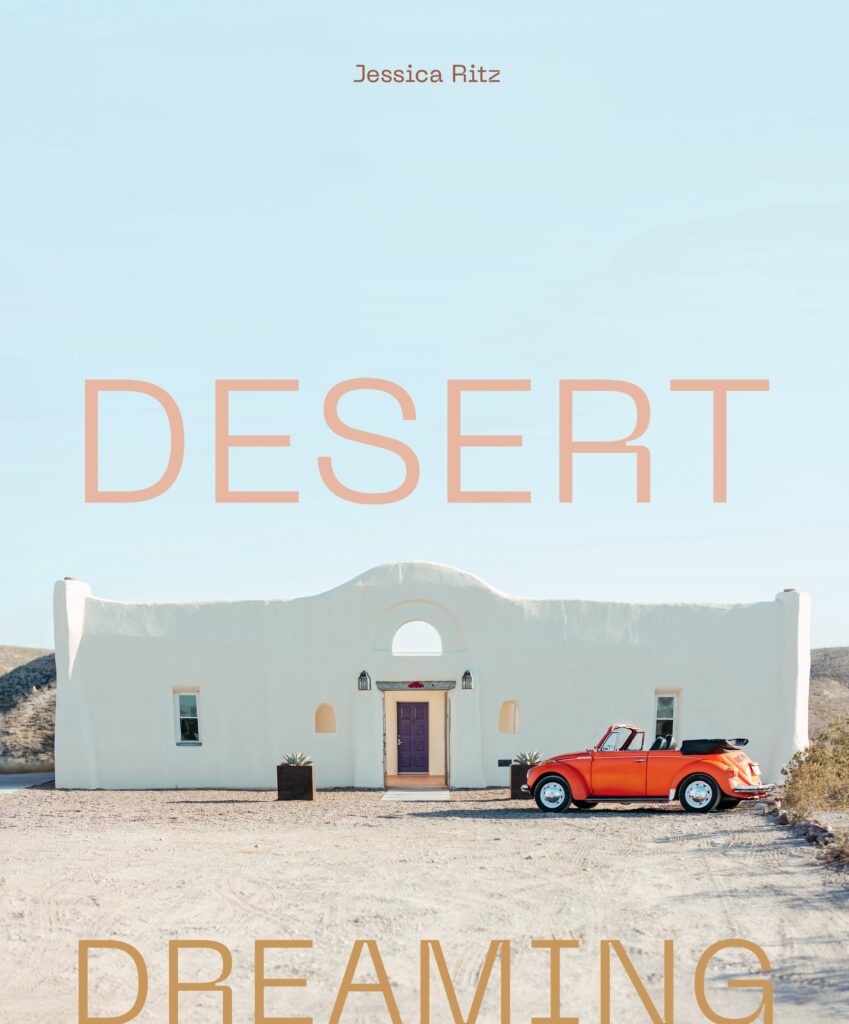
By necessity or by choice, it’s a little bit of a crazy proposition to want to build and live in the desert. Reason dictates that other places, ones that don’t pose such formidable obstacles and existential challenges, are perfectly sensible choices. Through the process of ideating, researching and writing Desert Dreaming: Design in the Southwest and Beyond (Gibbs Smith), however, certain patterns emerged that explain why the desire to face the elements in some of the harshest climates on earth makes perfect sense.
Throughout the four major deserts of North America featured in the book, these sites emerge as a font of inspiration, a tabula rasa for creatives drawn to expansive, parched landscapes and the constrictions they impose. A set of limitations, it turns out, can be a key ingredient in producing a rewarding challenge. The result, for instance, is hefty, earthen-based walls that mitigate heat, with openings that frame vistas like ever-shifting paintings come to life, or an experimental, low-cost, student-designed-and-built home on Navajo land in southern Utah that, almost counterintuitively, incorporates Japanese design elements.
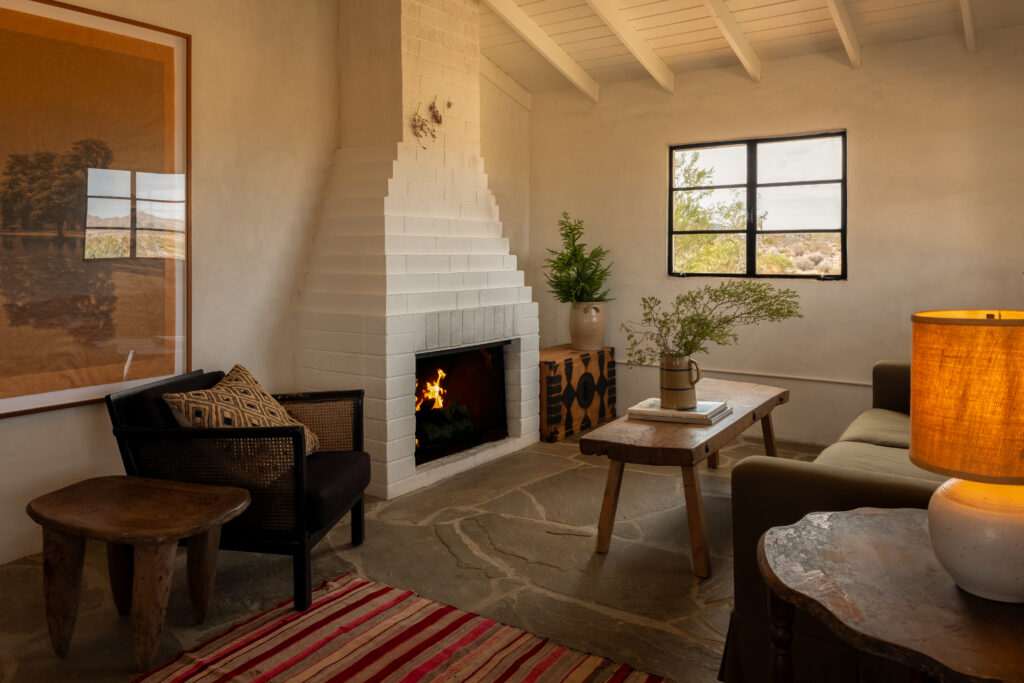
To build a place in tune with an arid setting, whether in Marfa, Texas, or Baja, Mexico, calls for a certain determination paired with sensitivity. Nature, of course, is the best guide, as are longstanding, time-tested Indigenous building traditions. Skilled designers take the proper time to understand the glare of the desert sun and capture its energy, to harness existing shadows, and to experiment with how building materials can blend into the surroundings—all while the resulting structure functions as a vessel for personal expression. It’s not an accident that some of the best-known desert denizens are artists. In California’s desert communities, a sense of play and worldliness is welcome too. Palm Springs–based Michelle Boudreau, for instance, incorporated Moroccan influences into one home while Todd Nickey of Nickey Kehoe loosely imagined what a Japanese fisherman’s cottage in Scandinavia might feel like when transforming a modest mid-century Yucca Valley house into a restorative getaway for himself and his husband, Greg Holcomb.
“Sustainability, after all, requires more than ecological ingenuity. A building must possess enough charm and personality to inspire stewardship beyond its creators,” Michael Bullock recently wrote in The World of Interiors about L.A. landscape designer John Sharp’s Earthship-inspired New Mexico retreat. This insight explains the allure of diverse desert dwellings—sometimes wonderfully weird, sometimes monastically quiet—in all of their enduring character.