



The Tides Have Turned
Author:Jessica RitzSaatchi Art CEO Sarah Meller Reflects on a Changing Art Market in an Online World
Remember when receiving a work-related message via Instagram might have seemed downright bizarre? Or buying your first pair of shoes online struck you as a wild risk? Early jarring encounters with technology have a way of quickly becoming routine. While it’s not exactly buying a house sight unseen—which plenty of consumers now feel confident doing—purchasing original art without stepping foot into a formal gallery space was once a concept that took some getting used to. This shakeup has been transformational to traditional business models and artists’ careers since Saatchi Art was founded in 2010, and was then followed by other platforms.
L.A.-based CEO Sarah Meller, who arrived at the women-run company after a decade at the Whitney Museum and also spearheads Saatchi’s The Other Art Fair events and Hospitality Art Advisory services, reflects on how the art world and broader cultural landscape have changed, especially in a post-pandemic world—and how they can continue to grow in tandem.
How has the online art sector evolved since Saatchi Art launched 15 years ago? When we launched Saatchi Art, many folks were extremely hesitant to make significant purchases online, especially for something as personal as fine art. But fast forward to 2025, and consumer behavior has totally shifted. COVID put e-commerce into hyperdrive, and now art lovers are nearly as comfortable buying a $2,000 painting online, as they are anything else.
But what’s truly evolved is access. I think most art buyers are now accustomed to enjoying browsing works from a range of artists, all over the globe. We now have a world where it’s easy and convenient to have an interior designer in LA purchase work from an emerging artist in Seoul, and receive the work in a week or two. That’s just a total sea change. And that democratization of the art world isn’t just good for buyers; it’s completely and totally transformative for artists who previously had no path to market until now.
It’s a welcome change to break down the gatekeeping, exclusive nature of the art world, but online platforms can have a Wild West element. Are there better tools now to help collectors navigate these waters? What does Saatchi offer in-house, for example? This is exactly why curation and guidance are at the center of everything we do at Saatchi Art. We serve both seasoned collectors and first-time buyers, so we’ve built an experience that provides confidence at every level—and without the limitations of a traditional gallery’s four walls.
Every single artwork on our platform is reviewed by our expert curation team, and we release new curated collections weekly. These same folks are available to provide every interested buyer with complimentary art advisory service. They use your style, budget, taste, even photos of your home, and make bespoke recommendations from our vast inventory. See an artist whose work you admire but the size of existing pieces are not quite right? They can also work directly with the artist on a special commission. We’ve also developed tools specifically for how people actually shop for art today. Our augmented reality feature lets you visualize a piece on your own walls before you commit, which is critical when you’re considering scale, color, and how it interacts with your space. For designers and collectors working on projects, this removes so much guesswork.
While we believe providing these tools and guidance are essential—the heart of what we do is still the art—we are home to works by artists from over 100 countries. Imagine trying to visit galleries in that many places. It’s simply impossible! Shopping with us is like having access to the best gallery in every major city in the world, all in one place.
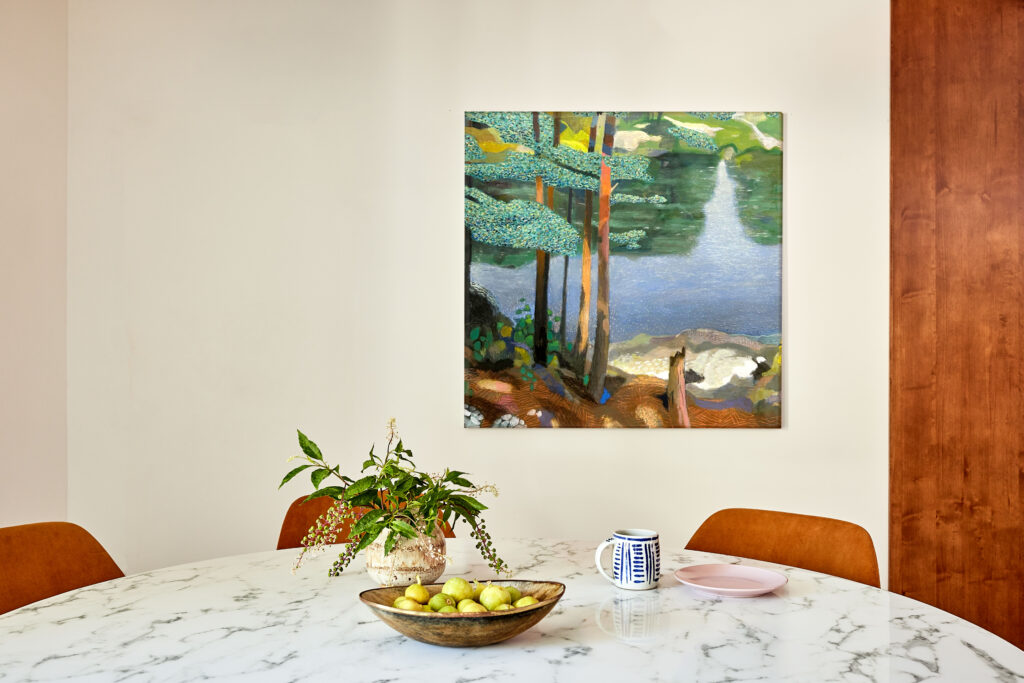
How do innovative, tech-forward mechanisms for showcasing and selling art better support and benefit artists in the long-term? To me, the exclusive gallery model feels super outdated in 2025. In a world where artists build followings on Instagram and connect with audiences globally, limiting yourself to a single physical location just seems counterintuitive.
Online platforms fundamentally expand an artist’s reach with existing collectors. We help to create sustainable careers for artists outside the traditional system. The gallery-museum pipeline serves a fraction of a percent of working artists, and many extraordinarily talented artists don’t have access to those channels. Technology allows these artists to build careers, earn meaningful income from their practice, and reach the collectors who will cherish their work. We’re also bringing new collectors into the art market, people who might have felt intimidated by traditional galleries or simply didn’t have access to them.
What has been the most rewarding part of developing this model? Hands down, it’s enabling artists to make a living from their work, especially those outside traditional art world centers. When an artist in Ukraine sells their first major piece to a collector in the US through Saatchi Art, or when someone in rural Oregon builds a sustainable practice selling their work internationally—that’s what gets our entire team out of bed in the morning. We’re not just facilitating art transactions; we’re creating livelihoods and connecting people with art that transforms their spaces and their lives.
Does the pandemic, which prompted consumers to become much more comfortable with making significant purchases online, still continue to have ripple effects in the art market? If so, how?Completely. The embrace of e-commerce has become permanent. People who might never have considered buying art online now trust the digital buying process, especially with the right tools and support. I think that’s here to stay.
I think we’re also seeing how the pandemic fundamentally changed people’s relationships with their homes. There’s a lasting appreciation for creating spaces that bring joy, inspiration, and beauty into daily life. The collectors and designers we work with understand that art isn’t just decoration—it’s what makes a house feel like a home. People are more intentional about their spaces, which means they value more than ever the artwork they chose to live with.
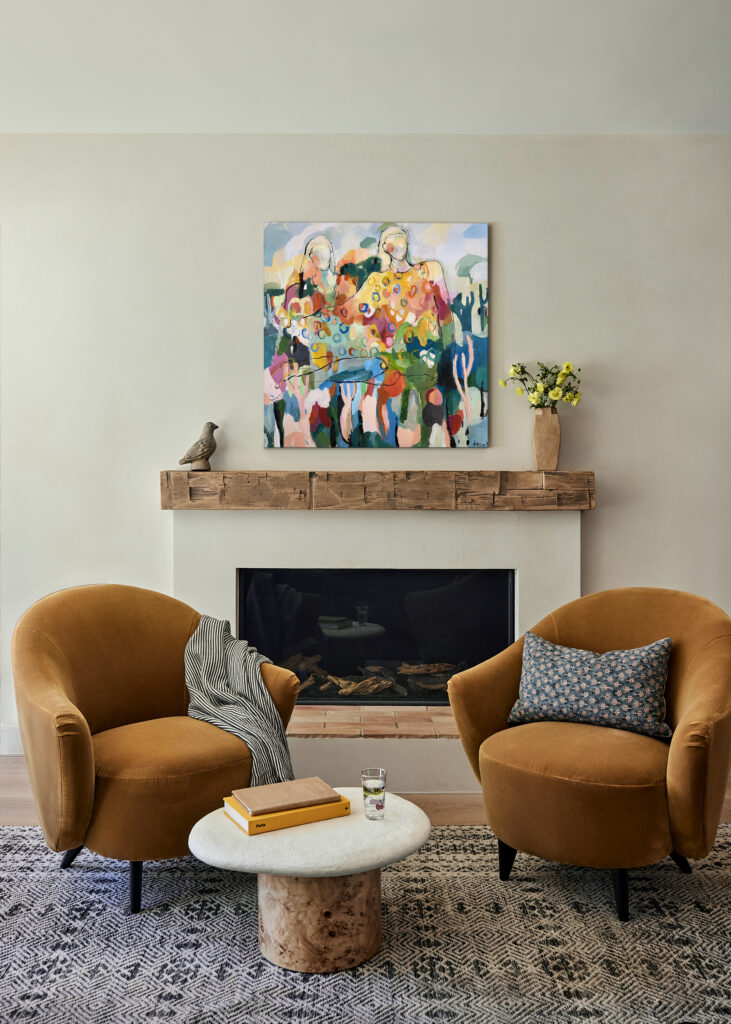
Which artists whom you’ve championed have been some of your favorite new talents to see emerge and connect with a wider audience? I think about French artist Cécile Duchêne Malissin, who’s been with us since 2013 but really found her moment in the past 2 years—selling more than 50 works to collectors worldwide through Saatchi Art. Her paintings exist in this beautiful space between realism and reverie, figures and animals emerging from abstract, lush landscapes that invite you to pause and reflect.
Then there’s Kenny Nguyen, one of our Rising Stars (our annual collection featuring recent art school graduates) who made his art fair debut at The Other Art Fair and was immediately embraced by collectors and designers globally. His work has since been featured in museum exhibitions and solo shows around the world—exactly the kind of trajectory we love to see for our artists.
And Turkish artist Erna Uçar, whose acclaimed Room Series has resonated so deeply that her work is now held in over 200 private collections through Saatchi Art alone. She maps the emotional geography of crowds in intimate spaces using layered surfaces—raw canvas, acrylic, graphite, sand—creating these richly textured worlds where new figures and moods reveal themselves the longer you look. All three of these artists create work that transforms a space, and we’ve been able to connect them with the people who need exactly what they’re making. That’s the magic of what we do at Saatchi Art.