Open Studios: Passion Project
Author:Lindsey ShookLiz Alspach combines her experience and love of Oaxaca to launch The Mercery

“Before I launched The Mercery, I spent about a decade overseeing operations for mission-driven organizations including museums, government and higher education,” says Liz Alspach, founder of The Mercery, on her career leading up to the launch of the textile line that also included a role at California College of the Arts (CCA) overseeing the fine arts shops and studios. “That job was fascinating and challenging in all the right ways as I got to support a team of artists, each specializing in a specific medium—think glass blowing, ceramics, weaving, metalwork—to create world-class teaching and learning spaces.”
She then decided to pursue a graduate degree in sculpture, which led to the establishment of The Mercery. “It is essentially an extension of my graduate school thesis, which I published as a book and workbook to support artists looking to build an economic container for their livelihoods,” she remarks. “I was granted a graduate research fellowship to move to Oaxaca to live and work with a family of Zapotec rug weavers, who are now dear friends.” After this once-in-a-lifetime experience, she realized pursuing a career as a professor or heading back to nonprofit work just wasn’t in the cards, so she combined her skill set and passion and, working with artisans out of Oaxaca, the line was born.
Her connection to the region started in college and continued to grow once she formed a deeper bond with the local crafts community, which drove her decision to preserve their practices. “I’ve been fascinated by Oaxaca—it does that to people, craftsmanship is everywhere—people just know how to build kilns and blow glass and weave with their hands in a way that is mind-blowing to an artist. It’s such a captivating, complex melting pot of languages, cultures and making practices.”

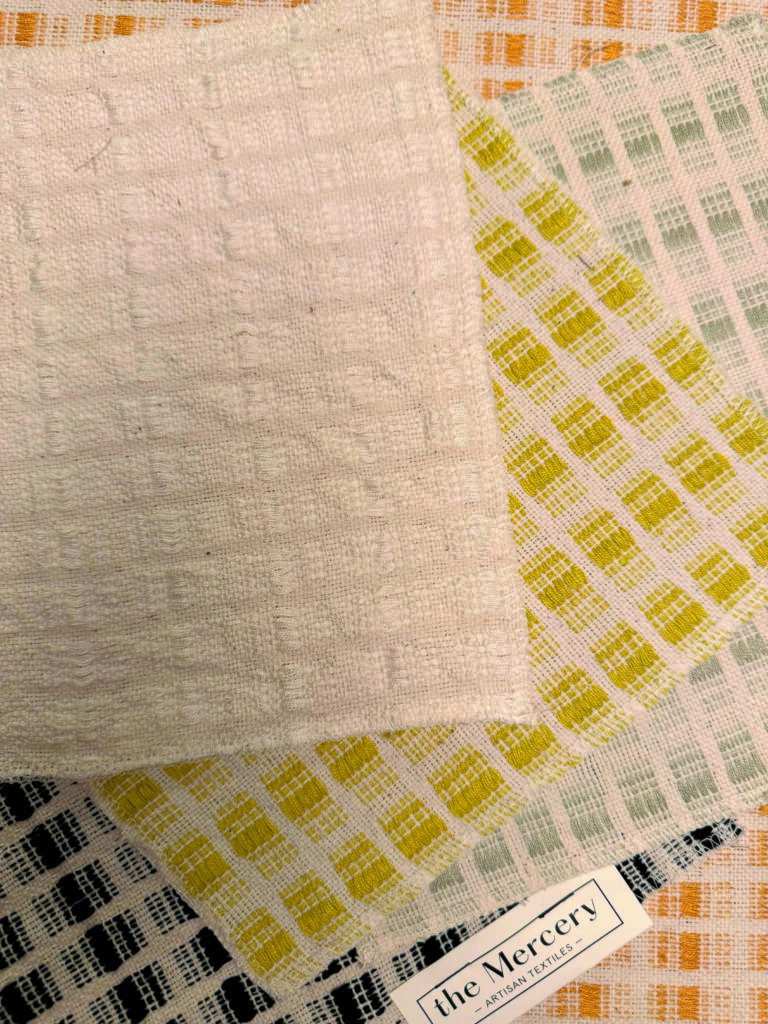
Sustainability is also a key focus. “All the fabrics we produce are made with natural fibers, which means at the end of their life cycle, which we hope is after many, many, many years of satisfying time in a client’s home, the entire piece is compostable,” she notes. “The fabric is made onshore in the Americas, which means our fabrics have a much smaller carbon footprint than many of our competitors because they don’t travel across the Pacific Ocean.”
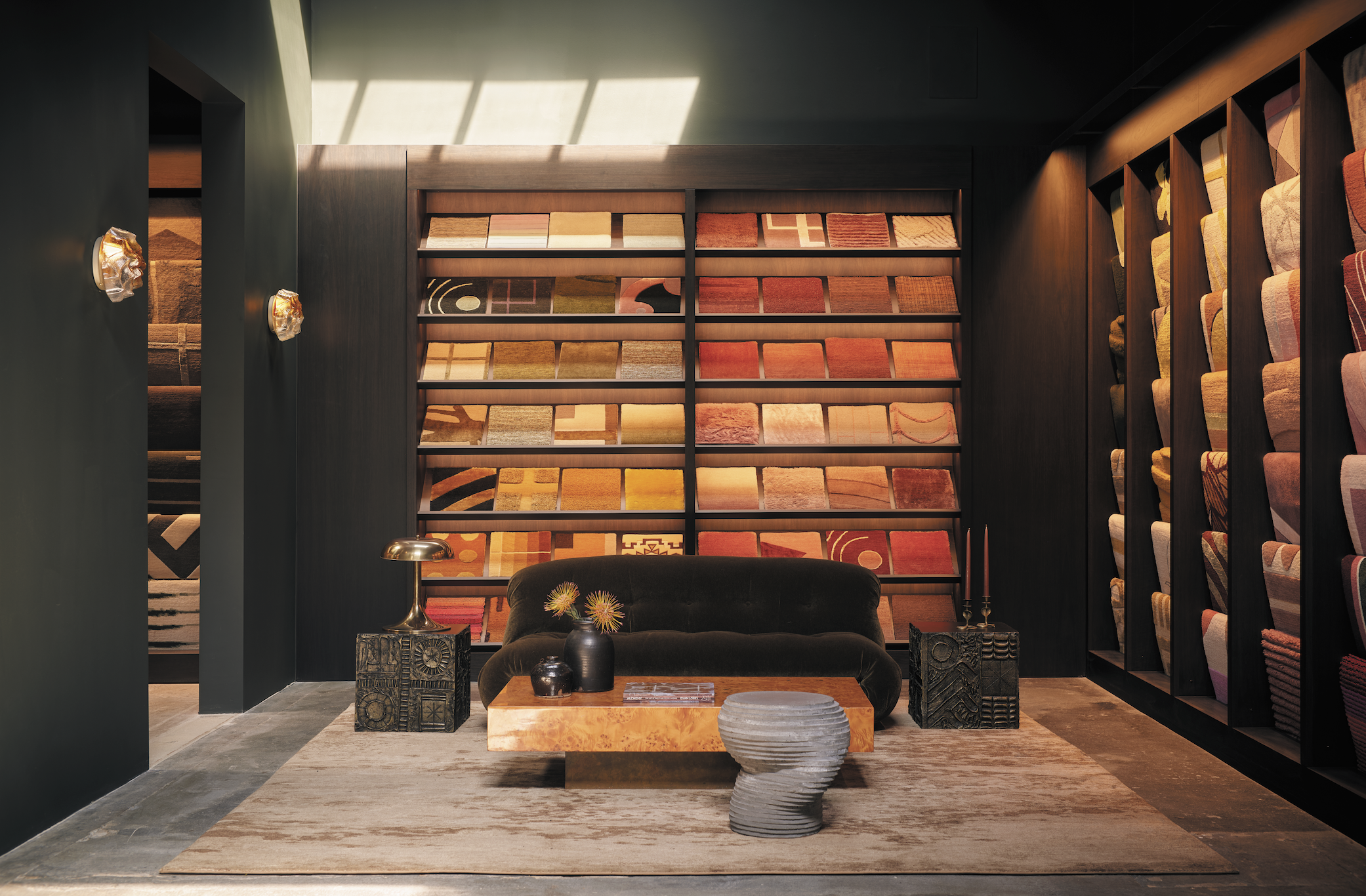
Her passion and persistence have paid off. The Mercery is now available in several of the country’s top industry showrooms including Hewn and ALT for Living. There will soon be a new collection of sheers in neutrals and blues, along with one to two new colorways for the eight original patterns in the collection, and she is pursuing partnerships with organizations that advocate for the environment and artisans. “While learning the industry has been a big challenge, it’s also frankly been why I’m still here,” Alspach remarks. “People have been really willing to welcome me and take interest in my idea and my project and really help me figure out how to succeed.”